An earthquake is a brutal kind of audit. In a matter of seconds it inspects every building, every bridge, every emergency plan a country has, and exposes what was neglected. The quake that has just struck Venezuela, described as the strongest the country has seen in roughly a century, has delivered its verdict on a nation that was already worn down long before the earth moved. The tragedy is not only what the shaking destroyed, but how little was left to withstand it.
A disaster on top of a disaster
Venezuela was not a sturdy place to be hit. Years of economic collapse, mass emigration, and decaying public services have left much of the country threadbare. Hospitals were short of supplies before any patients arrived. Power and water were unreliable on an ordinary day. When a major earthquake lands on a society in that condition, the second disaster, the failure of the systems meant to respond, can do as much harm as the first.
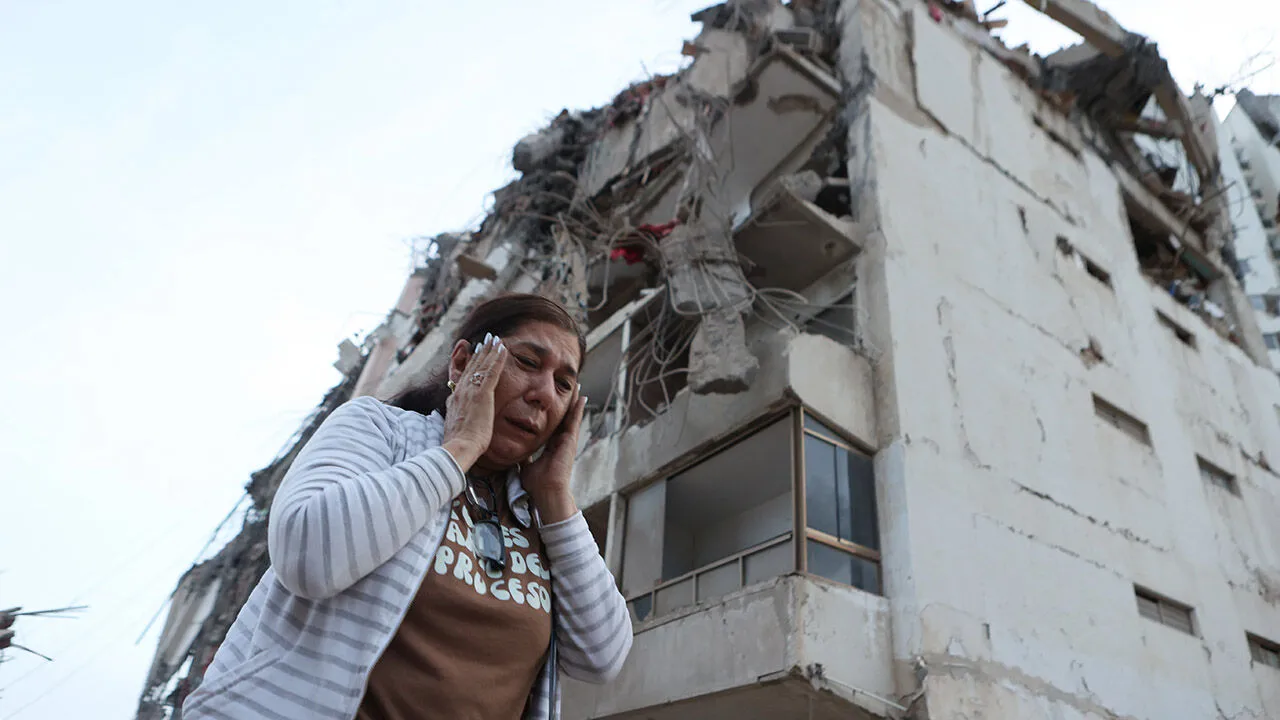
In the worst hit areas, buildings that had gone years without maintenance folded quickly. Rescuers worked through rubble with limited heavy equipment, often relying on neighbours digging by hand. Early reports spoke of widespread damage and an unknown number of people trapped or killed, with officials cautioning that the full toll would take days to establish. In a country where reliable information is scarce, even counting the dead becomes difficult.
Why the state struggles to respond
Modern earthquake response depends on things Venezuela has spent years losing. It needs functioning hospitals, fuel for ambulances and machinery, trained crews, and a government able to coordinate them quickly. It also needs trust, so that warnings are heeded and aid reaches the people who need it rather than vanishing along the way. Each of these has been eroded by the long crisis, leaving the authorities to face a sudden emergency with tools that were already broken.
There is a political dimension too. A government long accused of mismanagement and of putting control above competence now has to show it can protect its citizens at their most vulnerable. How openly it shares information, how willingly it accepts outside help, and how fairly it distributes relief will all be watched closely, at home and abroad.
The question of outside help
Natural disasters often soften borders, prompting even rival governments to offer aid. Venezuela's isolation complicates that instinct. Strained relations with many neighbours and Western powers, along with sanctions and deep mutual distrust, can slow the flow of rescue teams and supplies at the very moment speed matters most. Accepting foreign assistance can also be politically awkward for a leadership that has long blamed outsiders for the country's troubles.
Yet the scale of need may leave little choice. Search and rescue has a cruelly short window, and the machinery, medicine, and expertise required often have to come from abroad. Whether Venezuela opens its doors quickly, and whether others step through them, could shape how many of the trapped are pulled out alive.
The long aftershock
The immediate emergency is only the beginning. Earthquakes leave a long tail of harm, from damaged water systems that spread disease to families made homeless with nowhere stable to go. In a country that has already pushed millions of its people to emigrate, a disaster of this size could drive another wave toward the borders, adding to one of the largest displacement crises in the region.
Rebuilding will demand money, materials, and competent administration, all of which were in short supply before the ground gave way. For now the work is simpler and more desperate, the search for survivors and the care of the injured. But the deeper lesson is already clear. A disaster does not fall on a blank country. It falls on whatever was there before, and in Venezuela it found a nation with very little left to spare.