For a narrow channel of water, the Strait of Hormuz carries an outsized share of the world's anxieties. Through it, in normal times, passes something close to a fifth of the oil the planet burns, roughly 15 million barrels a day squeezed between the coast of Iran and the Arabian peninsula. Since the spring, when Iran throttled traffic through the strait in the aftermath of war, the Gulf's oil producers have been forced to confront a vulnerability they had long preferred to ignore. Their response has been to reach for the engineer rather than the diplomat, and that is a mistake.
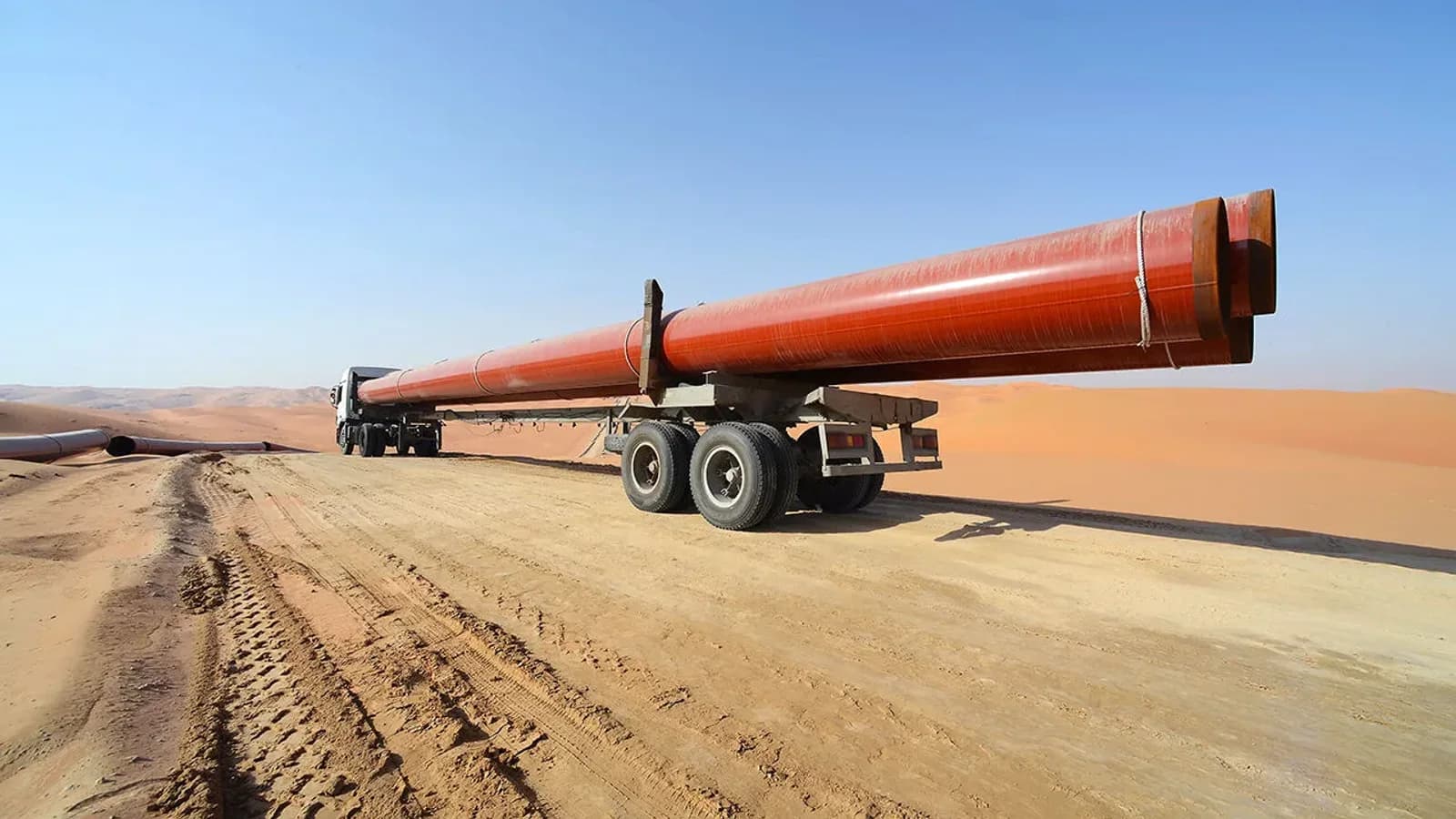
The engineering answer is a rush of pipelines. Around seven projects are now being built or studied to carry Gulf crude overland to the open sea, bypassing the chokepoint altogether. The United Arab Emirates is racing to add more than 3.5 million barrels a day of bypass capacity by the middle of next year. Saudi Arabia already has an east to west line capable of moving some 7 million barrels across the kingdom to the Red Sea. Turkey has floated extending an Iraqi pipeline south toward Basra to open a Mediterranean route. By one bank's estimate, such projects could handle more than 60 percent of the Gulf's pre war exports by the end of 2028.
Steel is not a shield
All of this is worth doing, and none of it is enough. The first problem is arithmetic. Even on optimistic timelines the pipelines will take years to finish and, when complete, will still leave a large slice of the region's exports with no route but the strait. A bypass that covers three fifths of the flow leaves two fifths exposed, and in a market as tightly balanced as oil, the missing fraction is more than enough to send prices lurching and economies reeling.
The second problem is more fundamental. A pipeline is not obviously safer than a tanker. Both are long, fixed and fragile, and both sit within easy reach of the cheap drones and missiles that Iran and its allies have used to such effect. Swapping a vulnerable sea lane for a vulnerable land route does not remove the threat so much as relocate it. The Gulf states are spending enormous sums to change the address of their exposure rather than to reduce it.
The problem has a name
Underneath the maps and the construction schedules lies a truth the region would rather not say aloud. The threat to Hormuz is not really a matter of geography, which cannot be changed, but of politics, which can. Iran can menace Gulf exports whenever it chooses because it has both the means and, at moments of confrontation, the motive. No amount of concrete poured in the desert alters that basic fact. As long as Tehran has reason to reach for the strait as a weapon, it will remain one.