Spies are not supposed to be sentimental about friendship. Their trade is suspicion, and their working assumption is that everyone, ally included, keeps a few secrets of their own. So it is striking that Richard Moore, who ran Britain's Secret Intelligence Service until last year, should end his career insisting that the single most valuable thing the West possesses is not a satellite or an algorithm but trust between allies. In a world he describes as more turbulent than any he has known, that is his central argument.
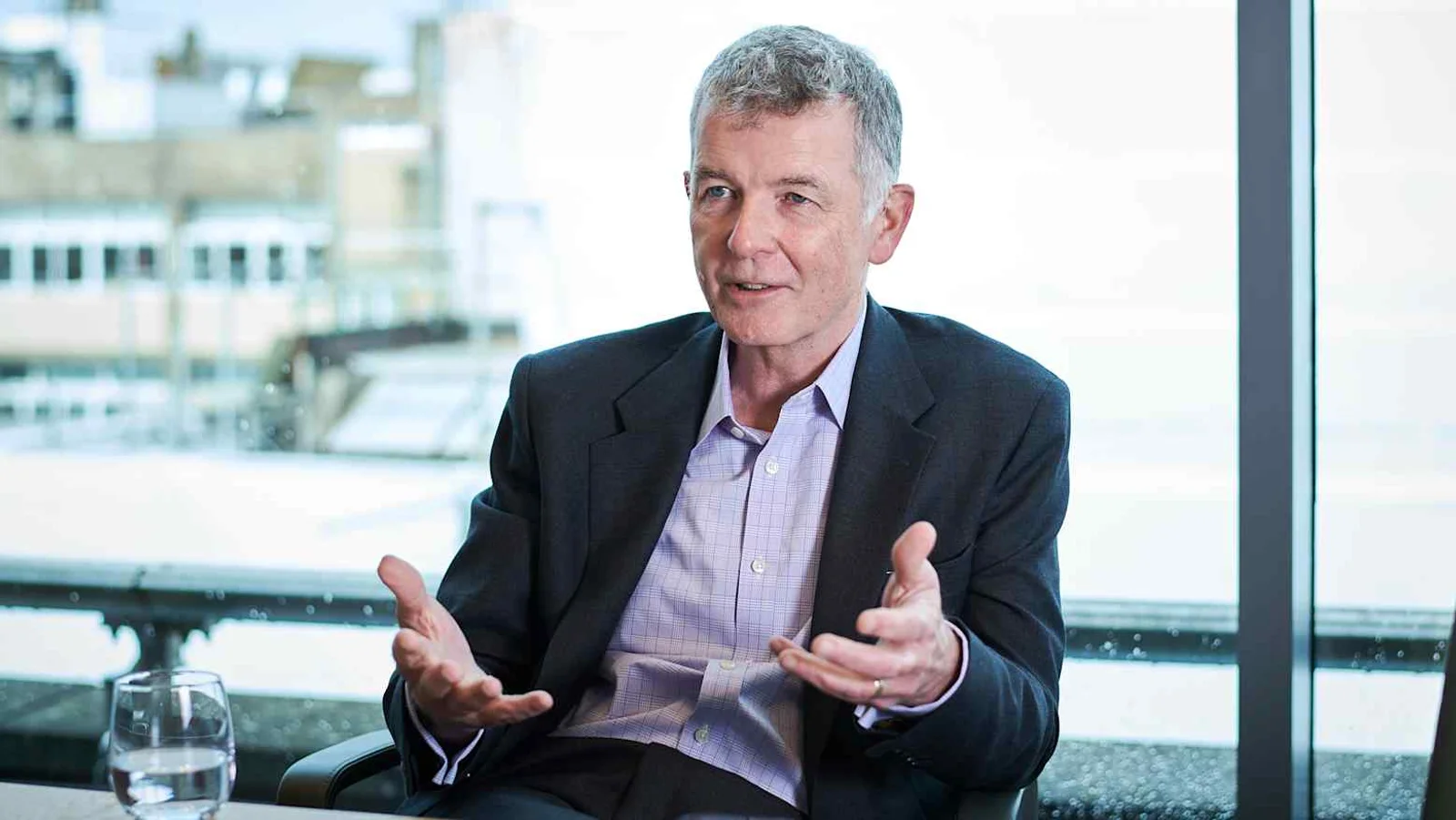
Moore is an unusual figure to be making it. He took charge of the service known as MI6 in the autumn of 2020, announcing himself to the world with a tweet and an emoji, a gesture that scandalised the more traditional corners of an organisation that had spent a century saying nothing at all. He stepped down in the autumn of last year after a career in intelligence stretching back nearly four decades, and he speaks now with the freedom of a man no longer bound to hold his tongue.
The China problem
At the centre of his worldview sits China, which he calls the single greatest challenge facing Western intelligence, and which he is careful to describe as both an opportunity and a threat. Adapting to a world reshaped by China's rise, he argues, is the defining task of the modern spy service, one that has forced agencies built to watch a handful of hostile states to reckon with a rival that is at once a trading partner, a technological superpower and a strategic competitor. It is a puzzle that cannot be solved by any single country working alone.
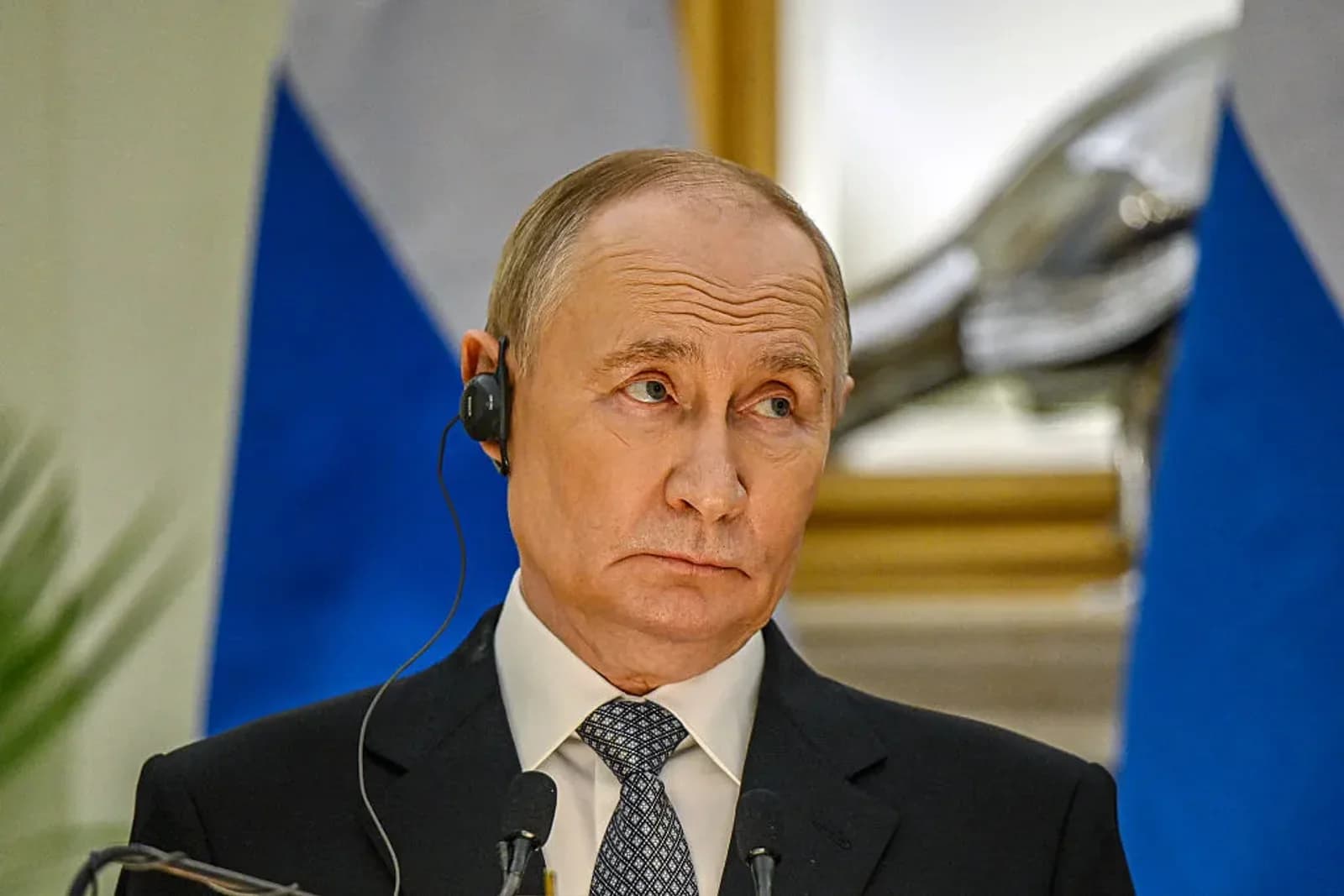
Russia, by contrast, he treats as a more familiar kind of danger. Vladimir Putin, in his reading, shows no sign of wanting to end the war he began, and understanding the Russian leader has been less a matter of decoding policy than of decoding a psychology. That is old work for an intelligence officer, the patient study of how a single mind reaches its decisions, and it is the kind of work that Moore clearly relishes discussing even as he warns that the man in the Kremlin remains genuinely dangerous.
The three Ts
Then there is the newest variable, artificial intelligence, which Moore frames with a tidy formula. It is, he says, a matter of three Ts, standing for targeting, tool and threat. It sharpens the ability to find and follow a quarry, it hands officers powerful new instruments for their craft, and it arms adversaries with capabilities that Western services must now race to counter. He is candid that everyone remains near the bottom of that curve, at the beginning of a shift whose full shape nobody can yet see.
For all that, he refuses to accept that machines will hollow out his profession. Spying, in his description, is becoming an arms race in which surveillance and computation grow ever more powerful, yet the decisive element stays stubbornly human. A piece of software can sift an ocean of data, but it cannot sit across a table from a frightened source, win his confidence and nudge a decision inside a hostile government. That capacity to influence people, he insists, is the thing no algorithm replaces, and it is precisely what makes the human agent irreplaceable.
Why trust is the weapon
It is against this backdrop that his argument about allies acquires its force. If no country can watch China alone, master AI alone or read Moscow alone, then the ability to pool effort with partners who will not betray the arrangement becomes a strategic asset in its own right. Intelligence sharing runs entirely on trust, because a secret handed to a friend is a secret placed at that friend's mercy. Alliances that can sustain that confidence multiply the reach of every service inside them, and alliances that cannot are worth little.
That is why Moore speaks so warmly of the bond between Britain and Japan, two island nations he calls natural partners, bound by close cultural ties and a broadly shared view of the world. The pairing is not obvious in the way an old Atlantic alliance is, but it reflects a wider truth he keeps returning to. In a fractured era the West cannot assume its friendships will hold on sentiment alone, and it must instead tend them deliberately, as one tends a valuable and perishable thing.
A quiet warning
Underneath the reassurance there is a warning. Trust between nations is easy to spend and hard to rebuild, and the same forces roiling the world, from great power rivalry to the corrosive drip of disinformation, work steadily to erode it. An intelligence chief who has spent a lifetime exploiting the mistrust of his adversaries understands better than most how fragile the alternative is, and how quickly a coalition can fray when its members begin to doubt one another.
Moore leaves the stage with a message that is almost old fashioned in its plainness. The West still holds real advantages, in its openness, its ingenuity and above all in its web of alliances, but none of these is self sustaining. They have to be worked at, protected and, when necessary, defended. In a turbulent world the spies will keep doing their quiet and thankless work, expecting no recognition. What they cannot supply on their own is the trust between friendly nations that makes their work add up to something. That, the old spymaster suggests, is a task for everyone else.