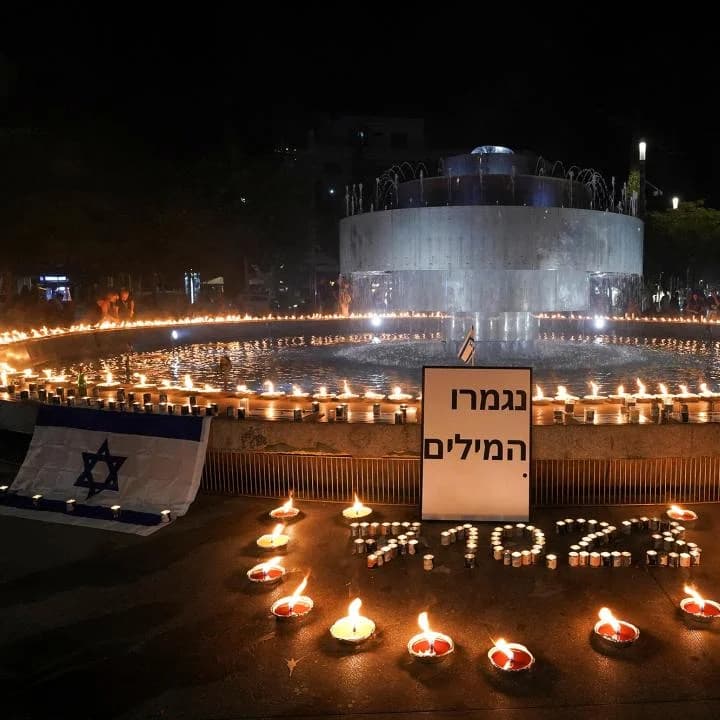
On October 7, 2023, Hamas-led attackers breached Israel's southern border, killing approximately 1,200 people and abducting 251 hostages. The assault exposed failures that extended far beyond the battlefield and raised fundamental questions about Israel's security establishment and political leadership.
Three years later, parts of the picture have become clearer. The Israel Defense Forces has conducted investigations into the events of that day, including the battles in communities along the Gaza border. The findings have documented failures in intelligence assessments, military readiness and the response to the unfolding attack.
The IDF's investigation into the battle of Kibbutz Be'eri, for example, acknowledged that residents were left to defend themselves for hours without adequate military protection. The findings illustrated both the extraordinary actions of local defenders and the scale of the military's failure to protect civilians.
Israel's domestic security agency, the Shin Bet, has also examined its own conduct. Its investigation acknowledged that warning signs had not translated into an effective alert before the attack.
Yet operational investigations address only part of a much larger question.
Who was responsible for the strategic assumptions that shaped Israel's policy toward Gaza? How were assessments of Hamas's intentions evaluated? What information reached senior political decision-makers, and how did they respond?
The answers require examining the relationship between political leaders, intelligence organizations, military commanders and the institutions responsible for national security.