Political advertising just went through one of the fastest spending shifts in its history, and almost nobody saw it coming at this scale. As of October 11, campaigns and political action committees had spent roughly 137 million dollars on 220 AI-generated video ads for the 2026 midterms. Two years earlier, during the 2024 election cycle, total spending on AI political ads came to less than 50,000 dollars.
A jump researchers call striking
Travis Ridout, co-director of the Wesleyan Media Project, which tracks political advertising, has called the scale of the shift what's really striking about this cycle, pointing to the leap from a figure that barely registered to one with nine figures attached. Few forms of campaign spending have ever expanded that quickly in a single cycle.
An uneven split
The spending is heavily concentrated on one side of the aisle. Republican campaigns and affiliated PACs are responsible for 81 percent of the AI-generated ads produced so far this cycle, and 88 percent of the dollars spent on them. Whether that imbalance reflects a strategic bet on the technology, differences in available production budgets, or simply which campaigns moved first is still an open question, but the gap is large enough that it has become a defining feature of how AI advertising is being used this cycle.
A Texas Senate race shows the stakes
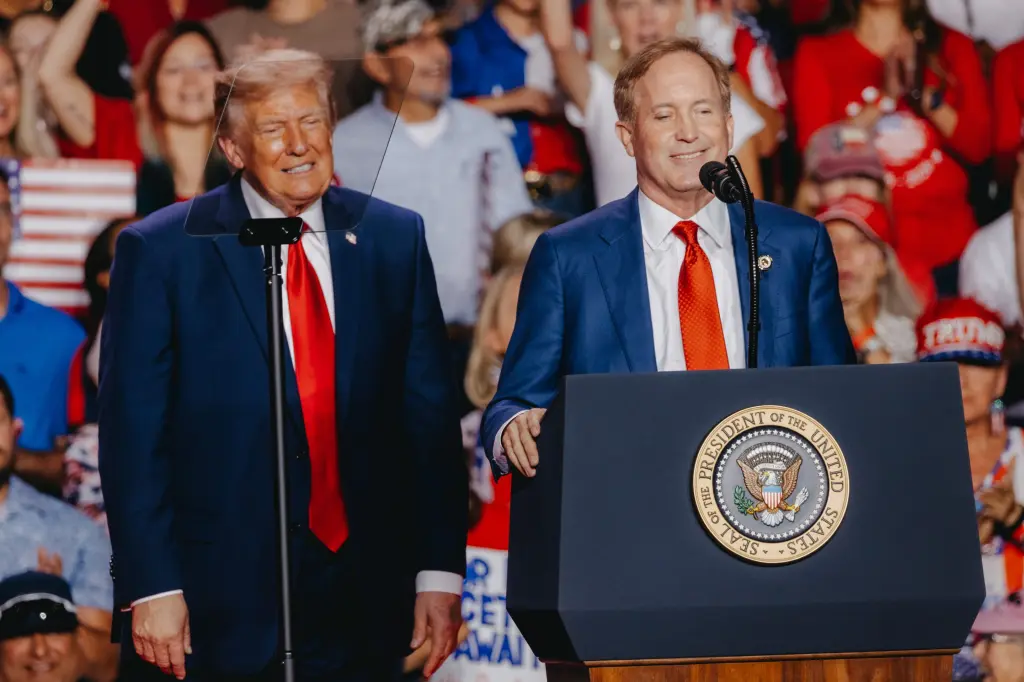
The Texas Senate contest between Democrat James Talarico and Republican Ken Paxton has become one of the clearest examples of how the technology is being deployed. Paxton's campaign ran an AI-generated ad depicting a fabricated scene of Talarico writing in a Bible with a crayon, an image with no basis in anything Talarico actually did. Talarico's response was direct, saying of the ad's creators that they are lying about a candidate in this race.
The disclosure problem
Beyond any single ad, researchers point to a structural issue running through the entire surge in spending: more than 70 percent of AI-generated campaign videos carry no disclosure or disclaimer that they were made with AI at all. That absence leaves viewers to guess at the authenticity of what they are watching, a gap Ridout has warned could erode trust in political media more broadly. He has described the risk in stark terms, warning that once voters stop being able to tell what is real, the more corrosive outcome is not that they believe false things, but that they stop believing anything, true or not.
The fear researchers keep returning to is not a single misleading ad, but a public that eventually decides every ad, real or fabricated, is equally unbelievable.
Not purely a story about misinformation
Ridout is careful to note the technology cuts in more than one direction. By eliminating the cost of film crews, actors and location shoots, AI-generated ads can let candidates with far smaller budgets compete on something closer to equal footing with well-funded opponents, a genuine democratizing effect layered underneath the misinformation risk. Whether that benefit outweighs the cost of a campaign landscape increasingly filled with undisclosed, AI-fabricated imagery is a question this election cycle is only beginning to answer, with 137 million dollars already committed to finding out.