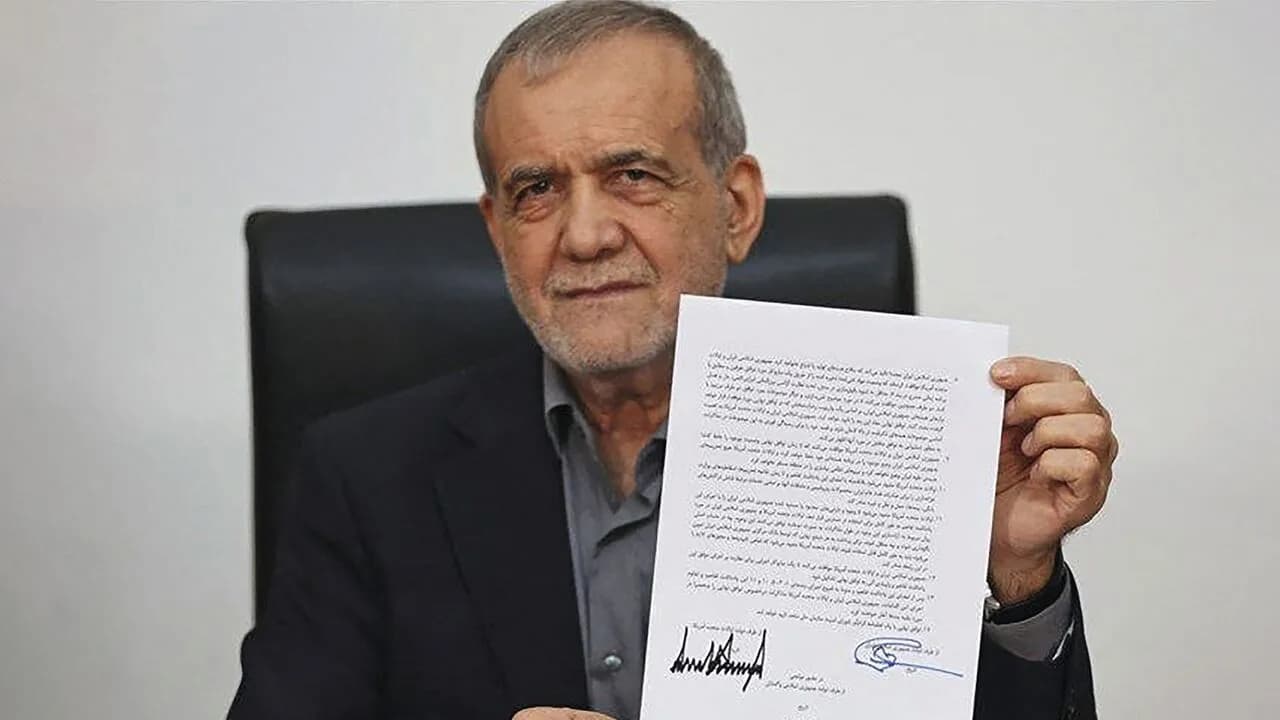
Some deals end a war. Others simply pause it long enough for everyone to catch their breath and call it peace. The agreement now taking shape between Iran and its adversaries belongs firmly to the second kind. It stops the bombing and reopens the flow of Iranian oil, which is no small thing for the people under the bombs and the markets watching the price of crude. Yet beneath the relief lies a bargain so thin that its main achievement may be to postpone the next confrontation rather than prevent it.
What the deal actually does
Stripped of the diplomatic language, the arrangement does two things. It halts the air campaign that had battered Iran for months without delivering the knockout its architects wanted. And it allows Iranian oil to move more freely again, easing the squeeze that had kept a major exporter largely shut out of world markets. For a leadership desperate for revenue, and for a region tired of war, those are concrete and welcome gains.
What it does not do is resolve the questions that caused the fighting. The deeper disputes, over Iran's nuclear ambitions, its network of armed allies, and its place in the regional order, are left more or less where they were. The guns fall silent, the tankers start moving, and the hardest problems are quietly set aside for another day.
Why both sides can claim a win
The genius and the weakness of the deal is that everyone can sell it as a victory. Iran can tell its people it withstood a sustained assault and emerged with sanctions loosened and its government intact. Its adversaries can point to the damage inflicted and argue they forced Tehran to the table. When both sides declare success, a deal becomes easier to sign. It also becomes easier to break, because neither has truly conceded the thing the other most wanted.
That is the trouble with bargains built on ambiguity. They survive only as long as each side prefers the uneasy calm to the alternative. The moment one party decides it can gain more by reaching for its weapons again, the paperwork offers little protection.
The oil is the real engine
Follow the incentives and the role of oil becomes clear. For Iran, crude is the lifeblood of the state, the money that pays salaries, funds the military, and keeps the system running. Restoring fuller access to buyers is worth more than almost any concession on paper. For the wider world, more Iranian barrels reaching the market openly help hold down prices, a quiet benefit for households and businesses still wary after a jittery stretch of conflict.
So the deal works partly because it pays. The promise of oil revenue gives Tehran a reason to keep the guns quiet, and the promise of cheaper energy gives others a reason to look past how little the agreement truly settles. Money, more than trust, is the glue holding it together, which is exactly why it may not hold for long.
A pause, not a peace
History is full of ceasefires that hardened into lasting calm, and others that proved to be intermissions. This one carries the marks of the latter. There is no robust mechanism to verify promises, no real resolution of the nuclear standoff, and deep distrust on every side. The conditions that produced the crisis remain intact, merely cooled.
For now the value of the deal is real and human. Bombs are not falling, oil is moving, and a region gets a reprieve. That is worth having, even if it is fragile. But a pause should not be mistaken for a settlement. The fighting has stopped because, for the moment, peace happens to pay better than war. When that calculation changes, as it well might, the thin agreement now being celebrated may turn out to have bought time and very little else.