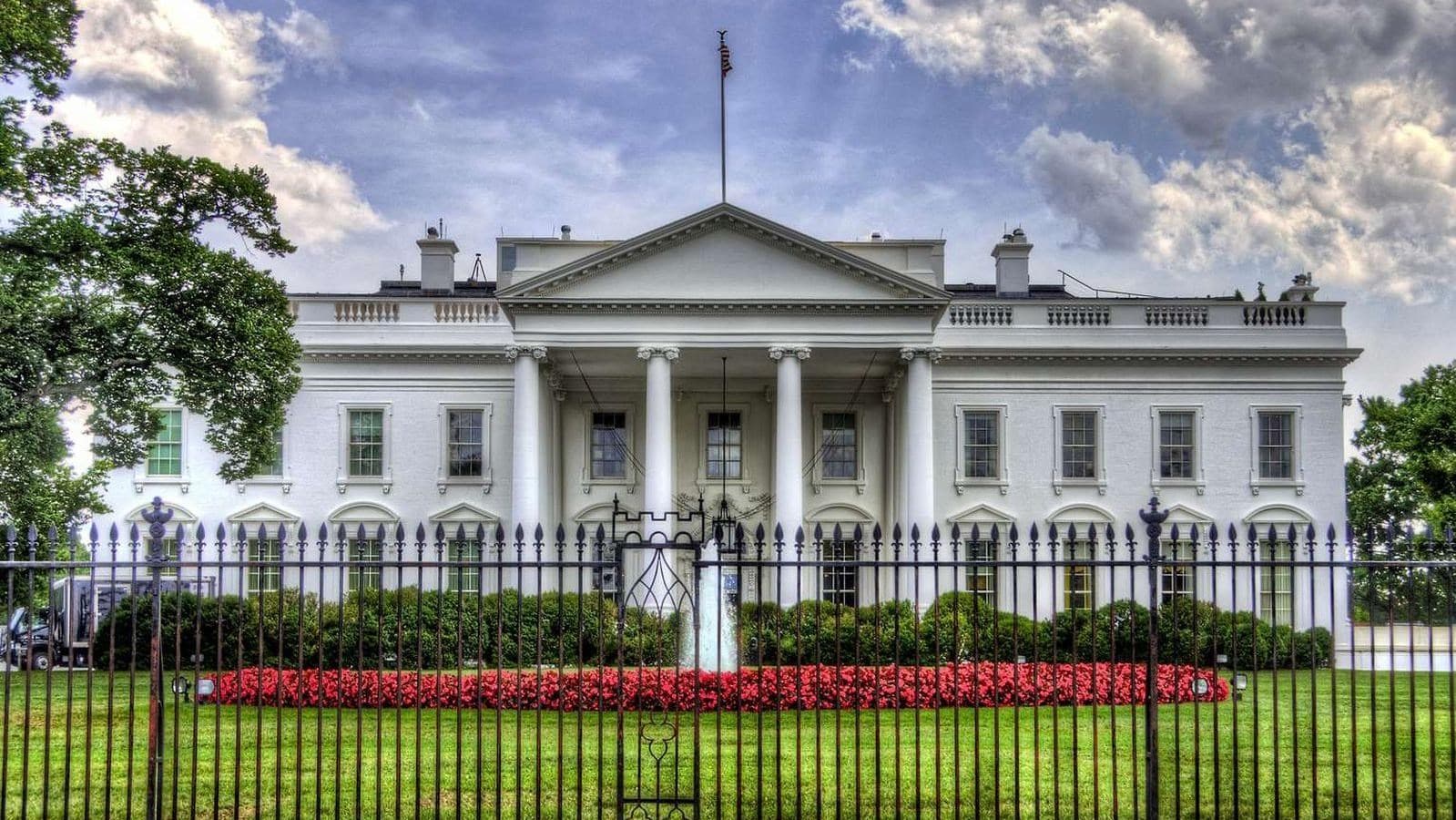
The most powerful office in America is growing more powerful, and the institution doing the most to make it so is not the White House but the Supreme Court. With another term drawing to a close, the justices have once again come down on the side of presidential authority, handing Donald Trump fresh room to act and trimming the ability of courts and rivals to rein him in. Taken one ruling at a time, each decision can be argued on its narrow legal merits. Taken together, they describe a clear direction, a presidency with fewer brakes.
A pattern, not a single case
It would be easy to treat the latest decision as a one off, a technical matter decided on its own facts. That misses the bigger story. Over several terms the Court has issued a series of rulings that all lean the same way, toward a stronger executive. It has shielded the office from some forms of legal jeopardy, loosened limits on how a president directs the sprawling federal bureaucracy, and grown skeptical of the tools lower courts have used to block presidential actions. The cumulative effect is greater than any one judgment.
What makes the trend striking is its consistency. Courts are supposed to be a check on the other branches, a place where overreach meets resistance. Increasingly the Court is functioning less as a brake on the presidency and more as a green light, clearing obstacles rather than placing them.
Clipping the lower courts
One of the quieter but most consequential shifts concerns how far a single judge can go to stop a president. For years, lower court judges have issued sweeping orders that freeze a policy across the entire country while a case winds through the system. Those orders have been one of the few fast and effective ways to halt executive action. As the Court narrows when and how they can be used, it removes a major speed bump, letting a president press ahead even as the legal fights drag on.
The change sounds procedural, and in a sense it is. But procedure is power. If the people who object to a presidential move can no longer pause it quickly, the move takes effect, facts are created on the ground, and by the time the courts sort out the law the damage, or the gain, is already done.
Why this Court leans this way
The roots run deeper than any single president. A solid conservative majority on the bench has long been drawn to a robust view of executive power, the idea that the constitution vests broad authority in the president and that courts should be wary of second guessing it. That philosophy was forming before Mr Trump returned to office. He is, in effect, the beneficiary of an intellectual current that was already running strong.
That matters because it suggests the trend will outlast any one occupant of the White House. A doctrine that strengthens the presidency does not switch off when the party in power changes. Whoever sits in the Oval Office next inherits the expanded authority these rulings have built, a point his opponents may rue if the tables turn.
The limits that remain
None of this means the president can do as he pleases. The Court has not abolished its own role, and it can still rule against the White House when it chooses. Congress retains powers it could use, if it found the will, and elections remain the ultimate check. A determined legislature or a unified public can still set boundaries that no court ruling can erase.
Yet the practical balance has shifted. The friction that once slowed an aggressive president, the quick injunctions, the assumption that courts would push back, has eased. Power that meets less resistance tends to be used more freely, and that is the real significance of the term now ending.
What it means beyond Washington
For the rest of the world, a stronger and less constrained American presidency is not a small thing. So much of global affairs, trade, alliances, the movement of money and people, now turns on what one office decides, and decides quickly. When the checks at home loosen, the swings in American policy can grow sharper and faster, with allies and rivals alike left to adjust.
The American system was built on the premise that no single person should hold too much sway, and that ambition should be made to counter ambition. The recent run of rulings does not tear up that design, but it does tilt it. The Court has spent this term, like several before it, answering the question of how much a president may do with a familiar word. Yes.