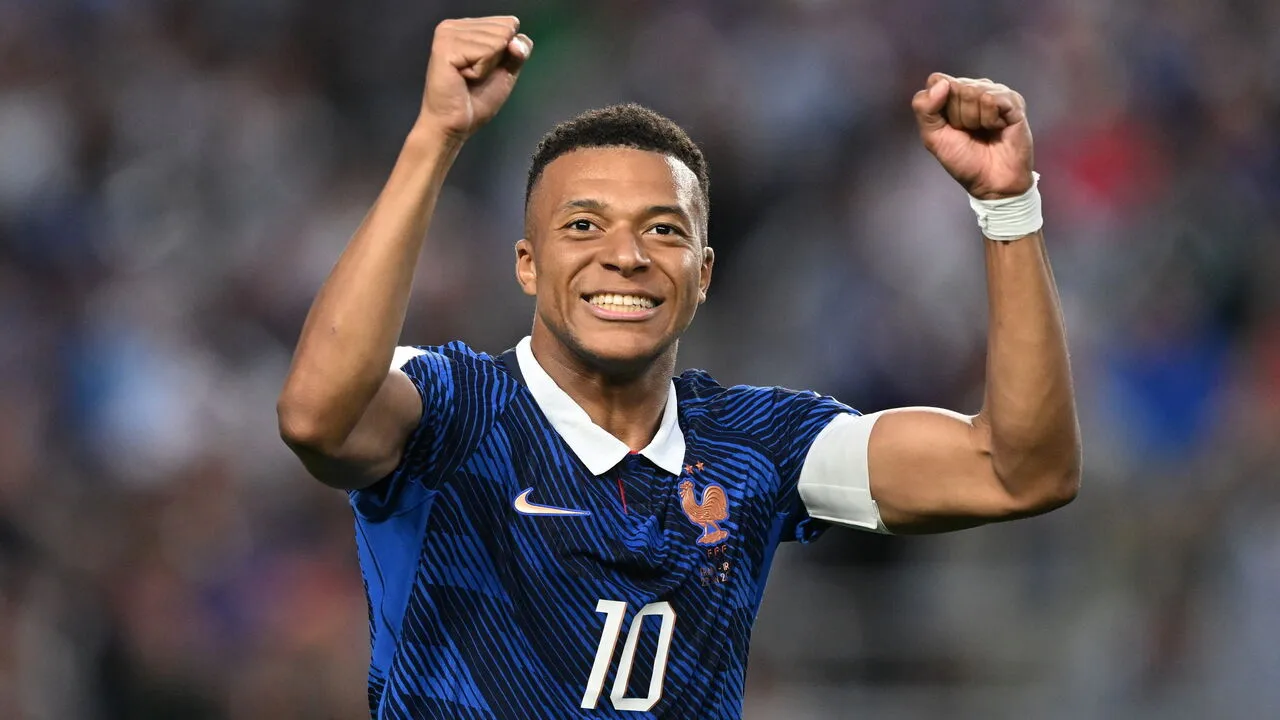
A World Cup is supposed to be a story about countries. Twenty-two players chase a ball, a nation holds its breath, and for a month borders matter more than brands. Yet the tournament unfolding now feels like something else, a spectacle organised around a few faces rather than many flags. Before a single trophy is lifted, the story has already been written around three names, Lionel Messi, Kylian Mbappe, and Cristiano Ronaldo, and the game has quietly become a stage for its own celebrities.
From national teams to global icons
Football has always had heroes, but something has shifted in how they are sold. The modern superstar is no longer just a great player for a country. He is a global brand, followed by hundreds of millions who may not care which nation he represents so much as they care about him. Fans tune in not only to see whether France or Argentina advances, but to watch a particular man do the extraordinary things they pay to see.
That change suits everyone with something to sell. Broadcasters build their coverage around marquee names, sponsors chase the faces that move product, and organisers know that a tournament with a compelling protagonist draws eyes that a tactical chess match never will. The competition becomes a series of episodes in a longer celebrity drama, and the drama is bigger than any one match.
The pull of a farewell
Part of what gives this edition its charge is timing. For the older icons, this is almost certainly a last dance, a final chance to add the one prize that defines a career or to leave the stage on their own terms. Nothing sells a story like an ending, and the sense that we are watching greatness for the last time turns every appearance into an event. A routine group game becomes a possible goodbye.
The younger star carries the opposite charge, the thrill of a coronation. If the veterans offer nostalgia, he offers the future, the sense that a torch is being passed in real time. Between the farewell and the arrival, the tournament has a narrative arc that no amount of clever marketing could invent. It simply happened to fall this way, and the game is making the most of it.
What gets lost in the spotlight
There is a cost to all this dazzle. Football is a team game, and its deepest pleasures often come from the collective, the unglamorous defender, the tireless runner, the pattern of passing that no single name can claim. When the cameras and the story fixate on a handful of stars, the rest can fade into scenery, present but somehow invisible. A brilliant team can be reduced to a supporting cast for one man.
Smaller nations feel this most sharply. A country without a global icon can play beautifully and still struggle for attention in a tournament sold on star power. The risk is a sport that celebrates individuals so loudly that it forgets the eleven, and the many, who make the moments possible in the first place.
Why we cannot look away
And yet the appeal is real, not manufactured. These players are worth the attention because they do things the rest cannot, moments of skill and nerve that justify every superlative thrown at them. To watch a genuine great decide a match is one of sport's purest joys, and pretending otherwise would be a kind of snobbery. The spectacle works because the talent is real.
So the tournament sits in an interesting tension, a team sport increasingly told as the tale of a few extraordinary men. Perhaps that is simply what a global game becomes when billions are watching and everyone wants a hero to follow. This World Cup belongs to its superstars because we, the audience, have decided that is the story we want. Whether that is good for the sport is a question for later. For now, the show is theirs, and we are all watching.