For more than forty years Afghanistan was a byword for war. Soviet occupation gave way to civil war, which gave way to the first Taliban emirate, which gave way to two decades of American backed government and insurgency. A whole idea of the country took hold in the outside world, one of ambushes, suicide bombs and districts changing hands. Five years after the Taliban returned to power, that Afghanistan has, improbably, gone quiet. For the first time in living memory the country is at peace, and the fact sits uneasily with almost everything the world wishes to believe about its rulers.
The peace is not an illusion. The Taliban control the entire country and face no serious armed or political challenge, a completeness of authority no Afghan government has enjoyed in decades. The roadside bombs that once made travel between cities a gamble are gone. Highways that were death traps are now merely bad roads. Ordinary Afghans, asked what has changed, tend to answer first not with grievance but with the simple fact that the fighting has stopped and their sons are no longer being killed in it.
The dividends of order
With the war over, a rough order has taken hold, and it has produced results that embarrass the movement's critics. The Taliban have waged one of the most effective counter narcotics campaigns the world has seen, driving opium poppy cultivation down by something close to 90 percent through a mixture of edict, eradication and menace. A trade that funded warlords and flooded the world with heroin has been throttled in a way that decades of Western money never managed.
The public finances tell a similar story of grim competence. Revenue collection has risen, by one World Bank measure some 6 percent over the past year, as a regime that brooks no argument squeezes customs posts and bazaars that once leaked money to a thousand corrupt hands. The currency has held steadier than many predicted, and the petty extortion that shadowed daily life under the previous government has eased. For a state written off as a failure, the Taliban have proven unexpectedly good at the unglamorous business of collecting taxes and keeping order.
The price, and who pays it
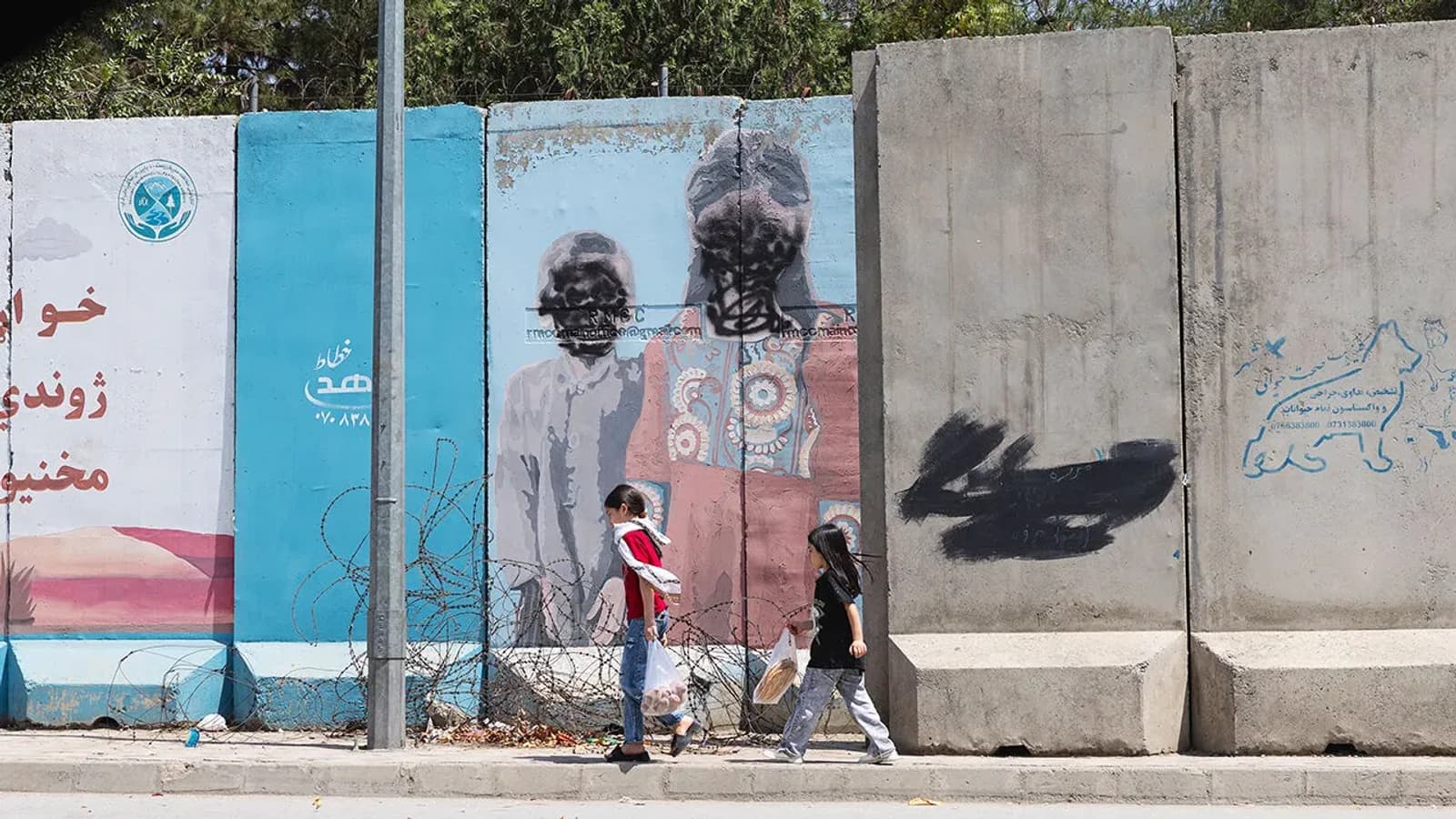
Yet the peace has an author's signature, and it is written across the lives of women and girls. Afghanistan is now the only country on earth that forbids girls from attending secondary school and bars women from university altogether. Since returning to power the movement has issued more than 230 decrees policing how women may dress, travel, work and even be heard, to the point of treating a woman's face and voice in public as something close to contraband. Half the population has been quietly removed from public life.
The cost of that removal is not only moral but material. By one United Nations estimate the exclusion of women will drain the economy of around 920 million dollars, close to 6 percent of national output, over the space of three years. A country desperate for every trained doctor, teacher and administrator has chosen to lock away the talents of half its people, and it is paying for the choice in the very poverty it can least afford.
A country still on the edge
For all the order, Afghanistan remains one of the largest humanitarian emergencies in the world, with well over 20 million people needing aid simply to get through the year. The peace has not brought prosperity, only the removal of one catastrophe, war, from a landscape still crowded with others. Drought, malnutrition and the slow strangulation of the opium ban in the countryside press on households that have no cushion left, and the foreign aid that once softened the blow is being cut as donors recoil from dealing with the regime.
That dependence is the quiet flaw in the whole edifice. The Taliban have delivered security and a functioning treasury, but not an economy that can stand on its own, and the calm they have imposed rests on a population too exhausted and too tightly controlled to resist. It is stability of a kind, but a brittle kind, the sort that can hold for years and then crack without warning.
The uncomfortable ledger
This is what makes Afghanistan so hard for outsiders to think about clearly. The instinct is to insist that a regime as cruel as this one must also be a failure, that repression and competence cannot share a border. Afghanistan refuses the comfort of that assumption. The Taliban have ended a war that everyone else failed to end, suppressed a drug trade that everyone else failed to suppress, and built a state that functions after a fashion, and they have done it while committing what many call a gender apartheid against their own citizens.
The peace, in the end, is the peace of a single will imposed without opposition, bought with the freedom of half the country and underwritten by aid the regime resents. It is genuine, and it is better than the war it replaced, and it is nothing anyone should wish to call a happy ending. Afghanistan is quiet at last. The question is whether a quiet built on so much exclusion can be anything more than the pause between one Afghan tragedy and the next.