A nationwide ground stop on domestic U.S. flights and a sweeping Microsoft cloud outage within the same week have made infrastructure resilience the unexpected centerpiece of the business conversation. The incidents exposed how heavily daily life depends on communication networks that were never designed for today's traffic loads or security expectations.
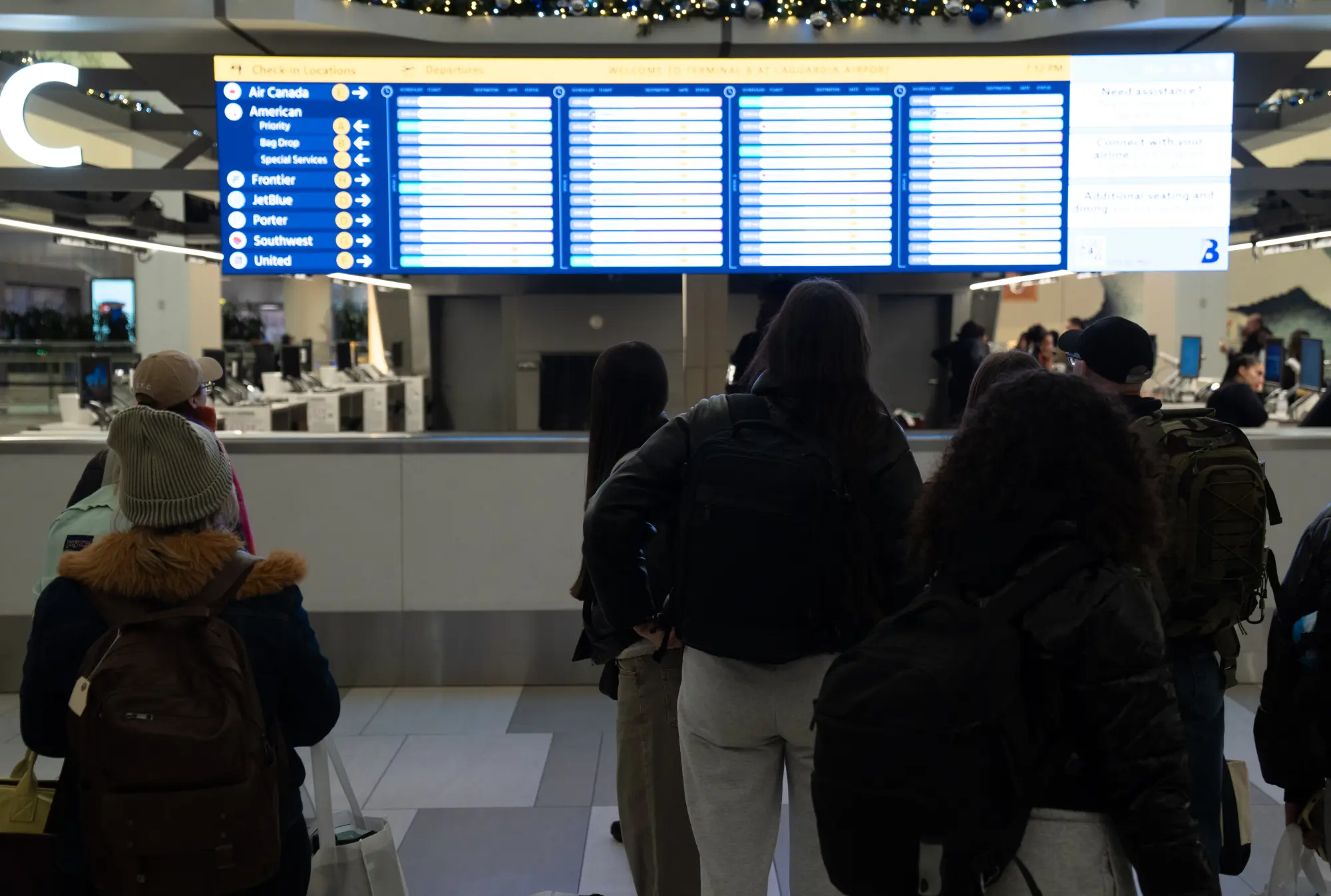
On Friday, the Federal Aviation Administration ordered a halt to all domestic departures after air traffic control systems lost communication with aircraft. The agency traced the problem to telecommunications issues tied to legacy copper networks managed by L3Harris. Although service was restored after roughly 90 minutes, the disruption stranded thousands of travelers and rippled through airline schedules for days.
Two outages, one theme
A day earlier, a Microsoft outage left millions of users unable to access Outlook and other productivity tools. Courts, police departments, hospitals and businesses suddenly found themselves without email and scheduling systems they rely on to operate. The episode added to a growing list of incidents showing how a single point of failure in widely used software can cascade across the economy.
Together, the two events reinforced a point that infrastructure specialists have been making for years: networks, data centers and software platforms are no longer background plumbing. They are the foundation on which everything else rests, from air travel and public safety to corporate communication and artificial intelligence deployments.
The copper problem
Lumen Technologies Chief Executive Kate Johnson had raised the issue just before the FAA ground stop. She has been arguing that legacy copper wire must be replaced with fiber optic cable to deliver the capacity, speed and security that modern networks require. After the FAA incident, she said the ground stop proved that treating networks like hidden plumbing is not just outdated but dangerous.