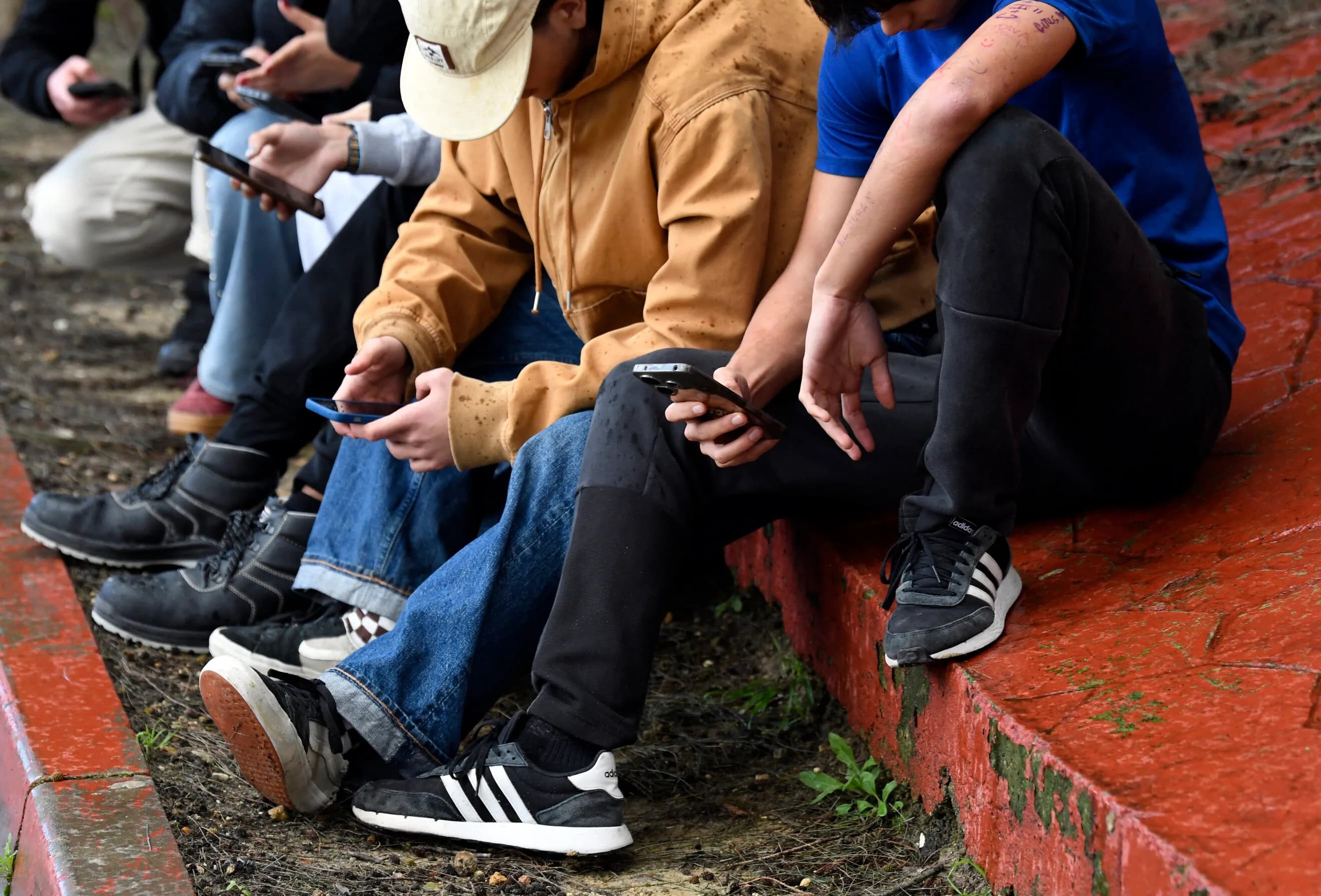
Ursula von der Leyen has taken up a cause that sounds less like Brussels policy and more like a parent's plea. The president of the European Commission wants to keep young children off social media, and she has begun turning that instinct into a plan that could reshape how an entire continent of teenagers lives online. Give childhood back to children, she has said, a line built to travel further than any regulation ever could.
The idea has been building quietly for months. Rather than announce a rule and dare the objections, von der Leyen has moved in stages. She convened a panel of experts on online child safety and asked it to weigh the case for and against an age limit, promising to wait for its findings before committing. In a speech this spring she floated what she called a social media delay, a deliberately soft phrase for a potentially sweeping intervention.
From instinct to law
The real unveiling is expected in September, when von der Leyen delivers her annual State of the Union address. That is where an impulse becomes a proposal, and where the Commission is likely to set out legislation requiring platforms to keep children below a certain age from opening accounts. The European Parliament has already signalled where it stands, backing a minimum age of sixteen, with room for younger teenagers to join if a parent agrees.
She is not pushing alone. A cluster of national governments has been pressing in the same direction, tired of waiting for the technology industry to police itself. Denmark, which currently chairs the meetings of EU governments, has made child safety a signature issue and rallied support for a joint declaration that most member states have now signed. France, Greece, Italy and Spain are among those already testing the tools that any limit would rely on.
The problem of the gate
Those tools are where the ambition meets reality. A rule is only as good as its enforcement, and enforcing an age limit online has always foundered on a simple problem. How do you prove how old someone is without demanding their identity? Brussels thinks it has an answer in a new age verification app, built to confirm that a user is over a given age while revealing nothing else, leaving them anonymous and untracked. It is being trialled in several countries as the technical spine of the whole effort.
The Commission is pairing that app with tougher use of the Digital Services Act, the bloc's existing rulebook for large platforms, so that companies face pressure to check ages whether or not a formal ban arrives. The two track approach lets von der Leyen act now while the slower business of legislation grinds on.