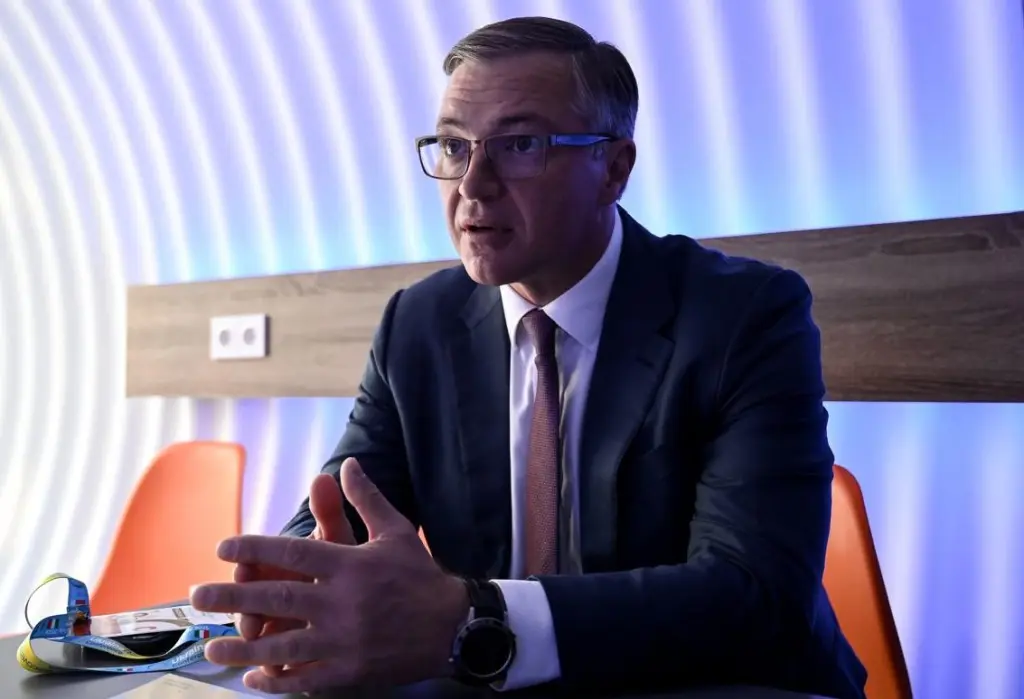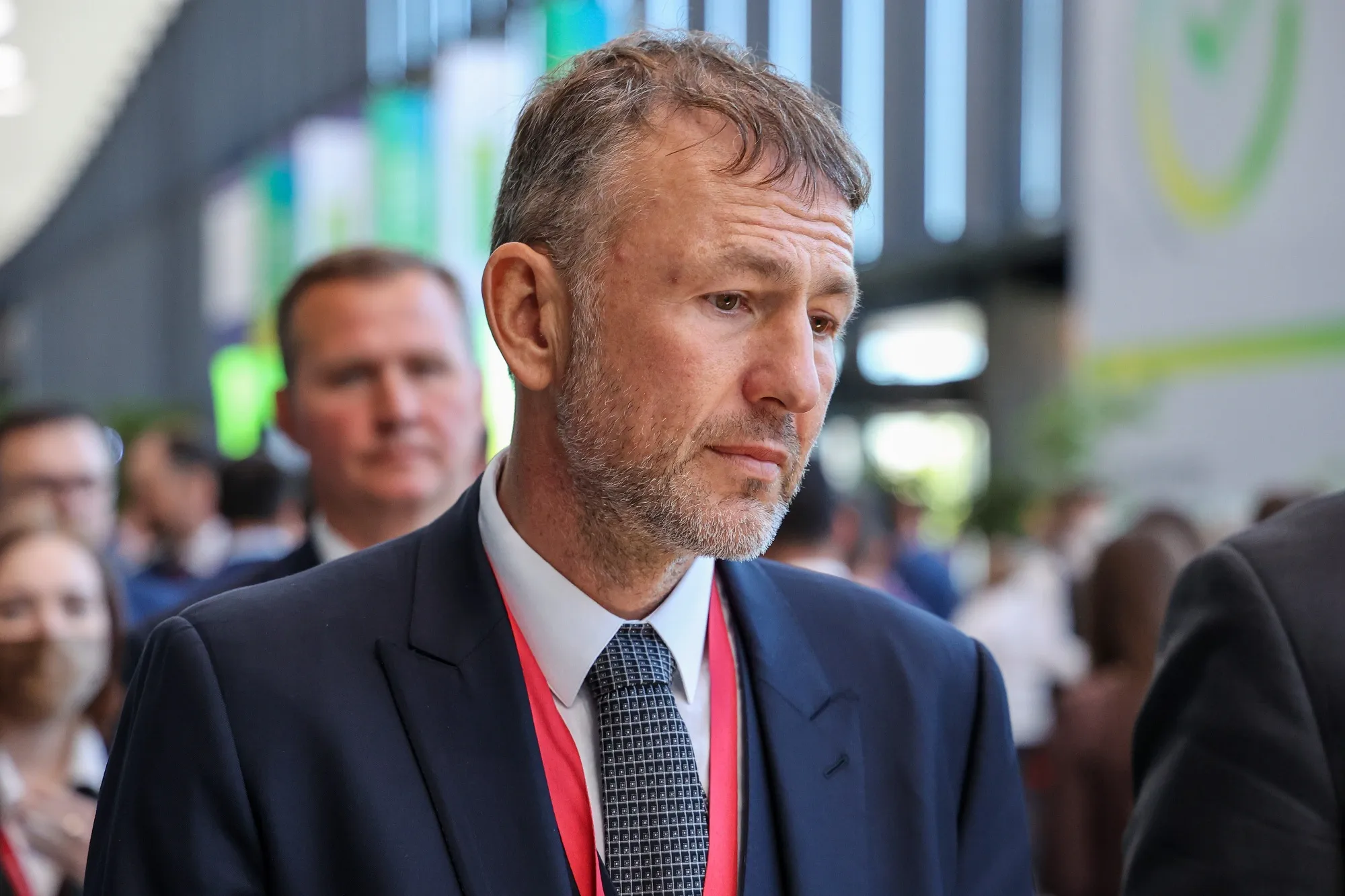
In a country where public criticism of the Kremlin can end careers or lives, one of Russia's wealthiest men has taken to sounding an alarm. Oleg Deripaska, the aluminium magnate who built the metals empire around Rusal and En+, has spent recent months warning that his country is drifting toward an economic reckoning. He does not sound like a dissident. He sounds like an owner watching his business slowly starved, and that may be exactly why his words carry a strange weight.
Deripaska's argument is blunt. Russia, he says, is squandering the gains it clawed together in the frantic mobilisation of 2022 and 2023, when the economy bent itself around sanctions and war. Now, in his telling, the machinery is seizing up. He points a finger at the central bank, at interest rates he considers punishing, and at a ruble he believes has been propped up to a level that makes no sense for anyone trying to build or export. We are just stupidly losing everything, he has said, a line that lands harder coming from a billionaire than from any exiled critic.
A diagnosis dressed as loyalty
What makes Deripaska interesting is that he frames his complaints as concern for the system rather than opposition to it. He does not call for an end to the war or for a change of leadership. He calls for lower rates, a weaker currency and a harder working population, remedies aimed at reviving output rather than reforming politics. He has floated cutting the key rate toward 6 percent, guiding the ruble to around 105 to the dollar, and pushing Russians into twelve hour days across a six day week, promising recovery within five years.
These are not the ideas of a liberal reformer. They are the ideas of an industrialist who wants cheaper money and cheaper labour so that his factories can run. Yet in the airless space of Russian public debate, even this narrow critique stands out, because it admits out loud what official optimism denies. The war economy that looked resilient is running on borrowed strength.
Why the Kremlin can afford to ignore him
The obvious question is whether any of this changes anything. For now the answer is almost certainly no. Deripaska has no political base, no party and no independent platform from which to press his case. He is a sanctioned tycoon whose fortune depends on the state's tolerance, which makes him a supplicant as much as a critic. The central bank has defended its high rates as the price of taming inflation, and the leadership has shown little appetite for the kind of devaluation he wants.
There is also the matter of trust. Oligarchs who grew rich in the chaos of the 1990s are not natural tribunes of the national interest, and Russians know it. When a man worth billions urges everyone else to work twelve hour days, the prescription invites cynicism rather than gratitude. Deripaska may be describing a real problem, but he is a flawed messenger for it.