For seventy years the defence of Europe rested on a simple assumption. If Russia ever moved west, American soldiers, aircraft and satellites would be there to blunt the blow. That assumption is now being quietly rewritten. Washington has begun pulling forces off the continent and turning its attention toward Asia, and the alliance it once anchored is left with an uncomfortable question. Who will hold the line in the east when the United States is no longer standing in front of it?
The shift is real and already under way. The Pentagon has confirmed it will remove around 5,000 personnel from bases in Germany over the next six to nine months. It has called off the planned rotation of a 4,000 strong armoured brigade to Poland, along with the deployment of a long range fires battalion, cancellations that landed just as the units were finishing their preparations. Taken together, these moves amount to the deepest revision of American military posture in Europe since the Cold War ended.
Senior officials have made little effort to soften the message. Secretary of State Marco Rubio has said plainly that there will eventually be fewer American troops on the continent than there have been historically. NATO's secretary general, Mark Rutte, has tried to steady nerves by calling the drawdown no surprise and insisting it will not weaken the alliance's plans, framing it as a natural adjustment as Washington pivots toward the Indo-Pacific. Reassurance, though, is not the same as replacement.
What the Americans actually provided
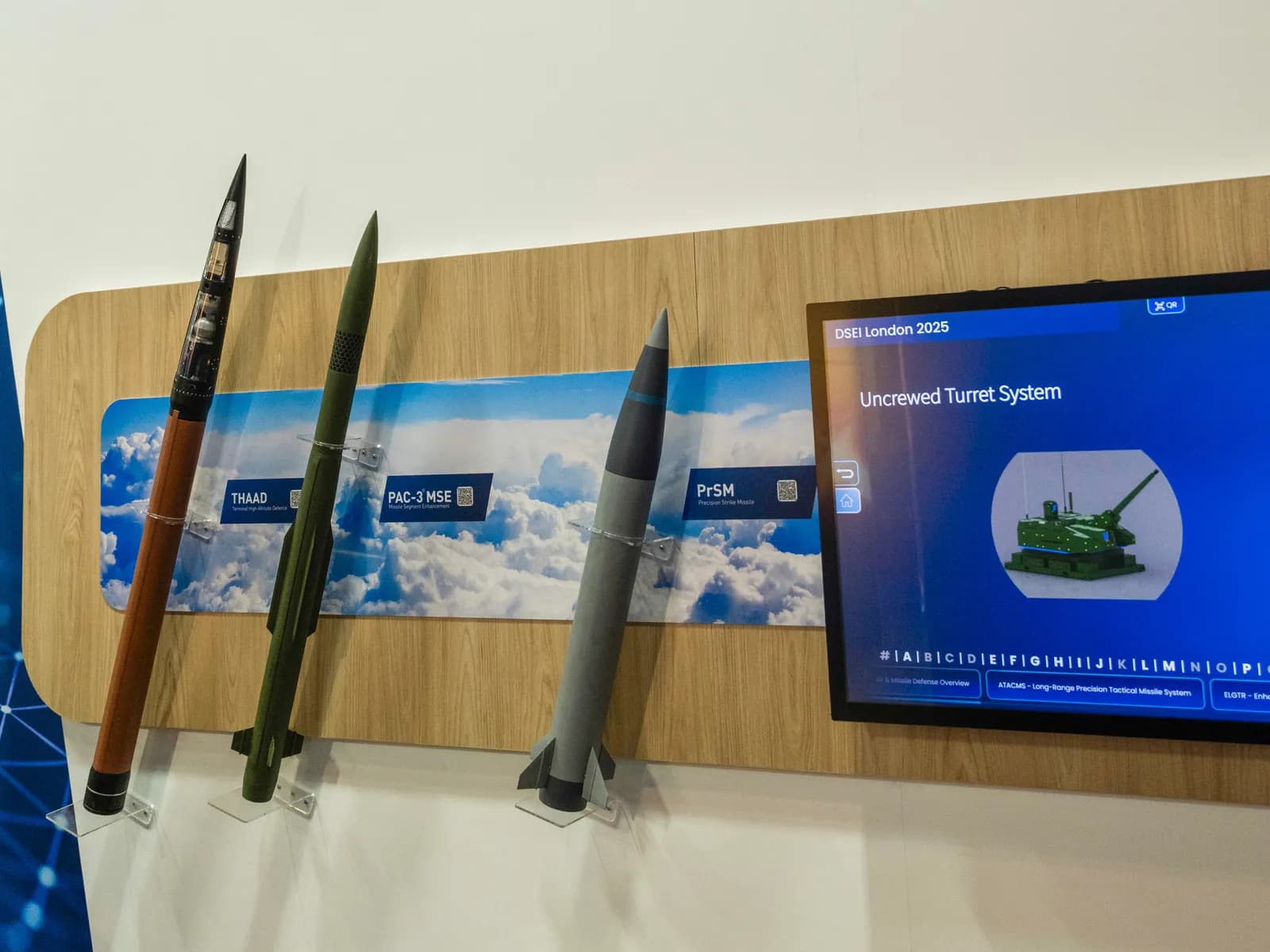
The worry in European capitals is less about the raw number of soldiers than about the things only the United States has supplied at scale. Behind every credible defence sit the enablers, the unglamorous machinery of modern war. Integrated air and missile defence, satellite reconnaissance, long range intelligence, secure command networks and the logistics to move heavy forces quickly across a continent. Europe has spent decades leaning on American versions of all of these, and it cannot conjure substitutes in a single budget cycle.
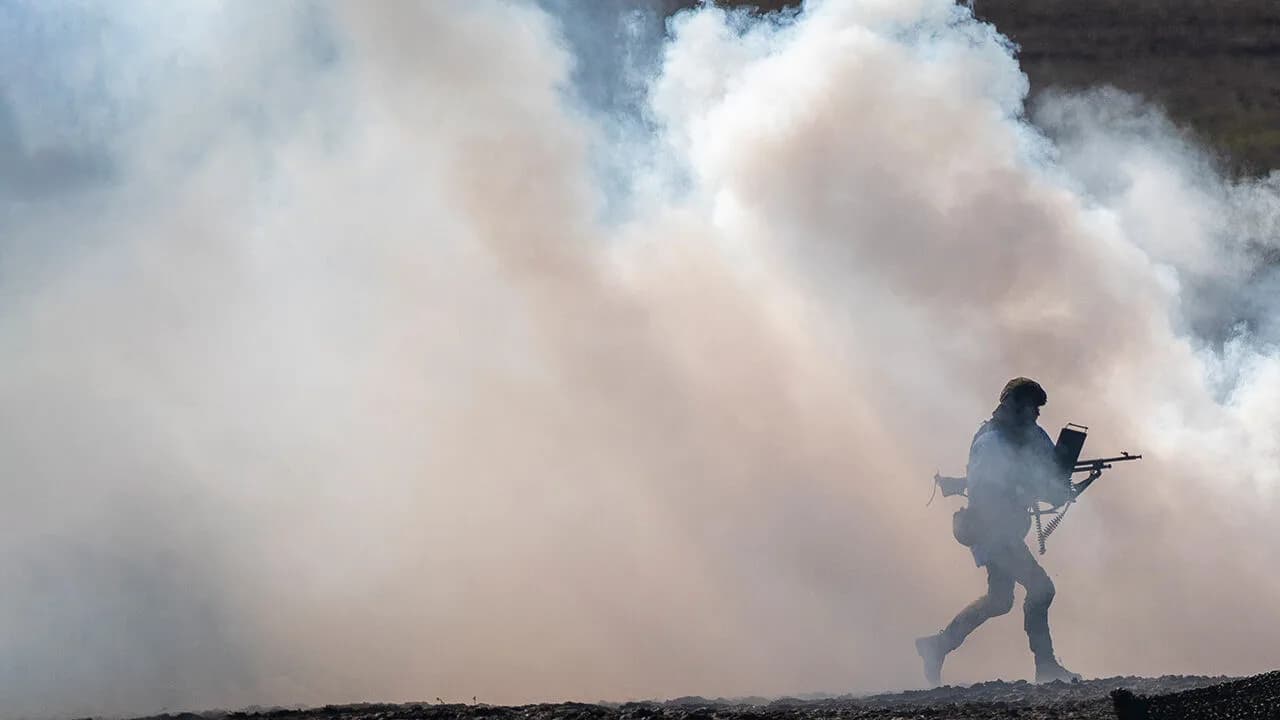
Ground troops are the part Europe has begun to fix. The Baltic states and Poland have built up their combat power sharply, so the alliance now fields far more capable land forces on its eastern edge than it did a decade ago. The harder gaps sit in the sky and in the wiring behind the front, where years of underinvestment cannot be closed by political will alone.
The question is no longer whether Europe can field soldiers. It is whether Europe can see, command and supply them without the Americans.
The map that keeps planners awake
Geography sharpens the problem. The Suwalki gap, a stretch of roughly 65 kilometres of Polish and Lithuanian border squeezed between Russian held Kaliningrad and Belarus, is the only land bridge linking the Baltic states to the rest of the alliance. Cut it, and Estonia, Latvia and Lithuania could be isolated within days. That single vulnerability shapes almost every scenario NATO planners run, and it is precisely the kind of fight where American airlift and air defence once made the difference.
The response has been a burst of building and organising. Frontline governments have launched the Baltic Defence Line, a belt of fortifications, sensors and short range air defences along their borders. Lithuania is carving out a new training area near the gap and upgrading the roads that lead to it, while planners look to a future rail link binding the Baltics to Poland so that reinforcements can arrive by more than a single threatened corridor.
Europe steps into the gap
The alliance has also moved to fill the space with its own presence. Last September it launched Eastern Sentry, a multi domain effort to keep watch along the entire eastern flank and to funnel extra assets toward the most exposed areas. In June this year it stood up a new multinational battlegroup in Finland, its ninth, with Sweden as the framework nation, a sign of how far the map of European defence has shifted since Helsinki and Stockholm abandoned neutrality.
None of this fully answers the central question. European leaders talk of strategic autonomy, yet autonomy means fielding the expensive capabilities that Washington once provided almost as a matter of routine, from missile interceptors to the satellites overhead. Doing so will take years and enormous sums, and it will test whether governments can hold their nerve once the immediate shock of the American drawdown fades.
For now the alliance is caught between two eras. The old certainty, that America would always be there in force, is gone. The new arrangement, in which Europeans carry the weight of their own defence, is still being assembled under pressure and against the clock. What happens in the next few years on the eastern flank will decide whether that transition looks like a managed handover or a dangerous gamble.