Andy Burnham has spent years as the most talked about politician outside the British Parliament. As mayor of Greater Manchester he has built a reputation as a blunt, popular champion of the north, and admirers have long imagined him one day leading the Labour Party and the country. Yet the path from city hall to Downing Street is far narrower than his fans like to think, and following Sir Keir Starmer may prove a harder act than it appears.
The mayor who would be leader
Burnham's rise is unusual. He left Westminster, where he had served as a cabinet minister, to run Greater Manchester, and there he found a platform that suited him. Free of the compromises of frontline national politics, he could speak plainly, pick fights with the government of the day, and present himself as a doer rather than a manager. The result is a profile most backbench members of Parliament can only envy, and a persistent sense that bigger things await him.
The problem of the front door
The first obstacle is mechanical but real. To lead the Labour Party a person must sit in the House of Commons, and Burnham does not. Returning would mean finding a seat, winning it, and rebuilding a base among colleagues he left behind. None of that is impossible, but it takes time and luck, and it cannot be done quietly. A mayor cannot simply step into the leadership when a vacancy appears. He has to be in the room first.
A hard act to follow
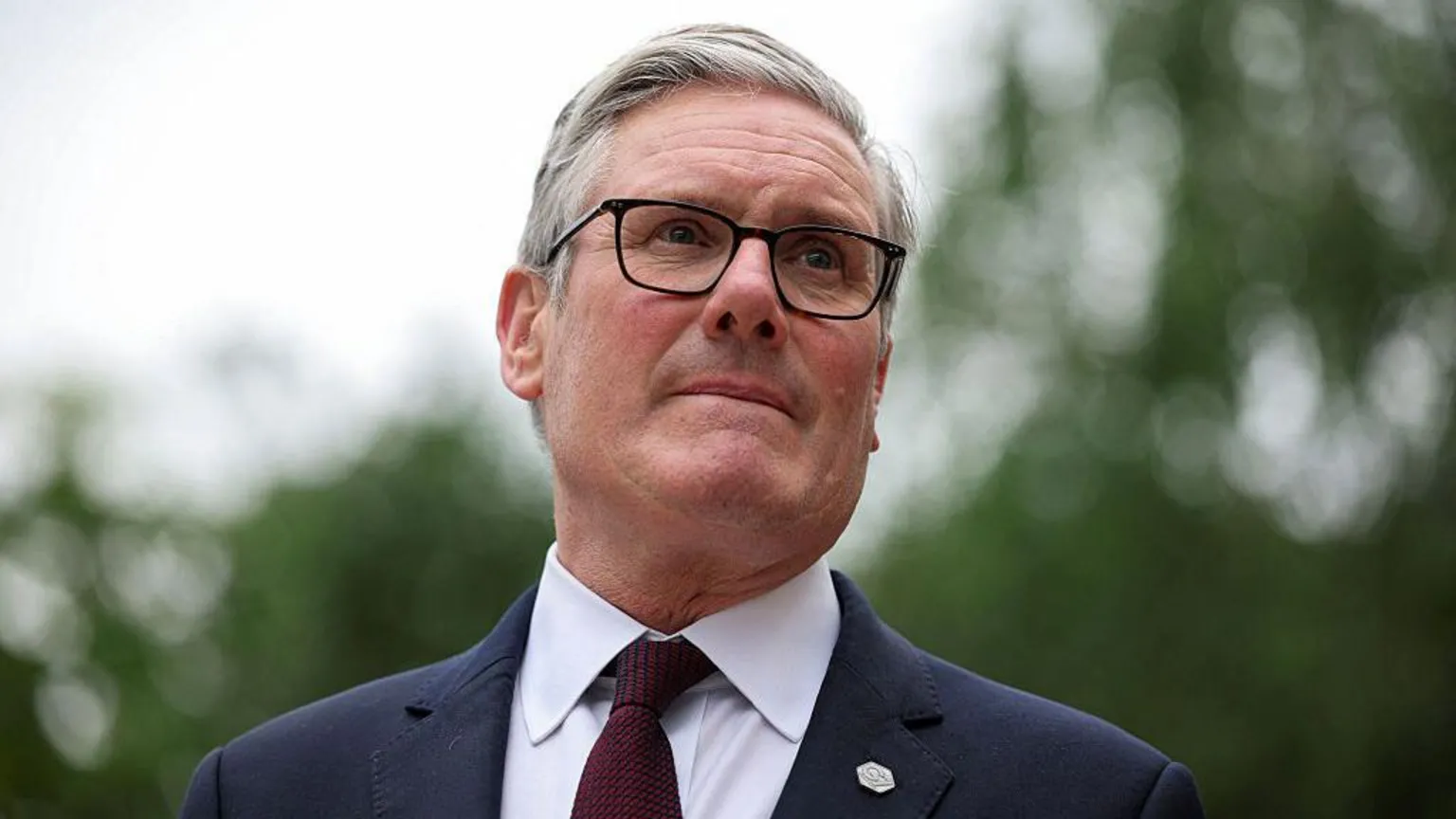
Then there is the matter of what Starmer has done. Whatever one makes of his record in office, he led Labour back to power after a long spell in the wilderness, rebuilding a party that many had written off. That is a substantial inheritance, and it sets a high bar. Anyone who follows him will be measured against a leader who won, and who did so by promising competence over excitement. Burnham's gift is the opposite, the ability to inspire, which is a different skill from holding a fractious party and a stretched government together.
Charisma meets reality
Governing a country is not the same as governing a city, and the qualities that make Burnham popular could become liabilities at the top. As mayor he can champion causes without owning the trade-offs, blaming the centre when money runs short. A prime minister has no one to blame. The plain speaking that thrills a rally can sound like recklessness from behind a despatch box, and the freedom of opposition vanishes the moment the responsibility of office arrives.
The waiting game
Timing may matter most of all. Burnham's prospects depend on Starmer stumbling badly enough to force a change, yet not so badly that Labour loses power altogether. That is a narrow window. Move too soon and he looks disloyal. Move too late and the moment passes to someone already inside Parliament. The would be successor is left watching for an opening he cannot create himself, which is an uncomfortable place for an ambitious man to sit.
What he really offers
It would be wrong to dismiss him. Burnham speaks to a part of the country that Labour cannot afford to ignore, and his brand of muscular regional politics has shaped the national conversation about devolution and the north. Even if he never becomes leader, he has changed what voters expect a mayor to be. His influence may turn out to be greater as a force from outside than it ever would be from the cramped confines of the cabinet.
The road ahead
For now Burnham remains the most prominent leader in waiting in British politics, admired, ambitious, and just out of reach of the prize he is said to want. Following Starmer would mean clearing a series of hurdles that have little to do with popularity and everything to do with the unforgiving machinery of party and Parliament. He may yet manage it. But the easy assumption that the top job is his for the taking underestimates how hard the last few steps really are.