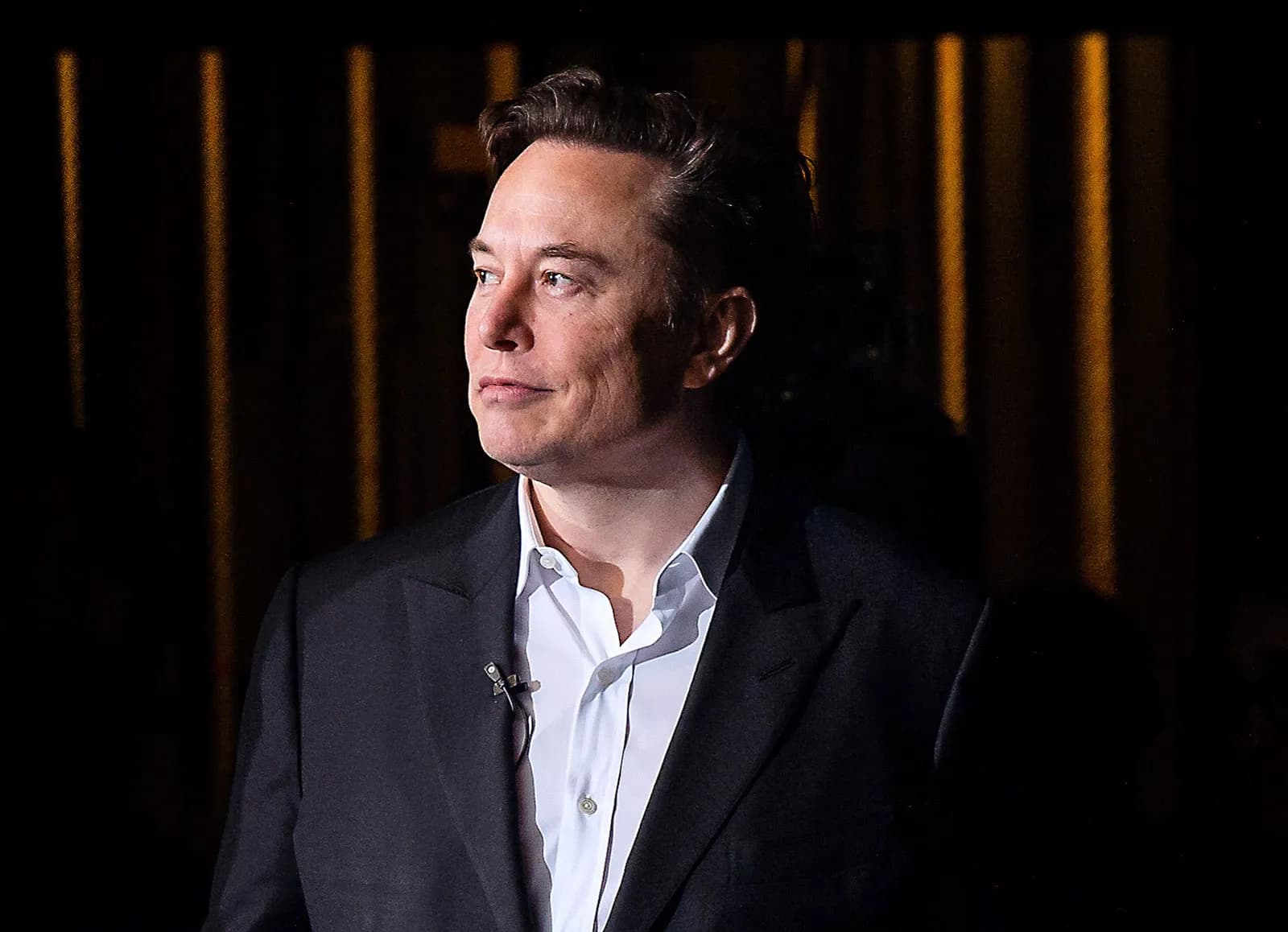
For a brief moment, Elon Musk stood at the summit of global wealth, the first person whose fortune flirted with the once unthinkable mark of a trillion dollars. That moment has passed. A sharp fall in the value of SpaceX, his most prized company, has knocked roughly a third off its worth and pulled Musk back below the trillionaire line. The richest man in the world remains extraordinarily rich, but the aura of inevitability around his fortune has cracked.
How a private company lost a third of its value
SpaceX is not listed on any stock exchange, so its worth is set not by daily trading but by the price investors pay in occasional funding rounds and share sales. When those buyers turn cautious, the number can move quickly. A reported drop of about 30 percent in the company's valuation reflects a cooling of the enthusiasm that had pushed it to dizzying heights, and because so much of Musk's fortune is tied up in SpaceX, the effect on his personal wealth was immediate.
Why the shine came off
Several forces have combined to dim the glow. Investors who once treated SpaceX as a sure thing have grown more demanding about profits and timelines, especially around its expensive bets on the Starship rocket and the Starlink satellite network. A broader caution toward richly valued technology companies has not helped. Nor has Musk himself, whose sprawling attention and political entanglements have made some backers wonder how much of his focus the company truly commands.
A fortune built on belief
The episode is a reminder of how unusual Musk's wealth really is. Most of it exists not as cash in a bank but as stakes in companies whose value rests on expectations of the future. Tesla, SpaceX, and his other ventures are priced for ambitions that may take years to prove out. That makes his fortune enormous on paper and, at the same time, unusually sensitive to shifts in mood. A change of sentiment can erase hundreds of billions without a single dollar changing hands.
What it means for SpaceX
For the company itself, a lower valuation is more a bruise than a wound. SpaceX still dominates the business of launching things into orbit, still flies astronauts for the American space agency, and still adds Starlink customers around the world. A cheaper price tag could even make it easier to recruit talent with shares and to raise money on sensible terms. The danger is less financial than psychological, the risk that a story of unstoppable rise turns into a story of doubt.
The question of focus
The bigger uncertainty surrounds Musk. He runs an unusual collection of companies at once, from electric cars to rockets to artificial intelligence, and his ventures have always leaned heavily on his personal mystique. When that mystique wobbles, so does the premium investors are willing to pay. The coming months will test whether he can steady SpaceX and reassure backers, or whether the distractions that worry them only deepen.
What comes next
None of this spells decline so much as a return to gravity. Musk is likely to remain among the wealthiest people alive, SpaceX is likely to remain a formidable company, and a future funding round could lift the valuation again as quickly as the last one cut it. What has changed is the sense that the only direction was up. The next chapter will be written by results rather than hype, by rockets that fly and businesses that earn, and that is a harder standard than belief alone.
A lesson in paper riches
For everyone watching, the story carries a wider lesson about the nature of modern fortunes. The largest are now built on the perceived worth of fast growing companies, which means they can swell and shrink with astonishing speed. A title like trillionaire says less about money in hand than about confidence in what tomorrow might bring. Musk has lost that title for now, and whether he reclaims it will depend on whether the future he keeps promising starts to arrive.