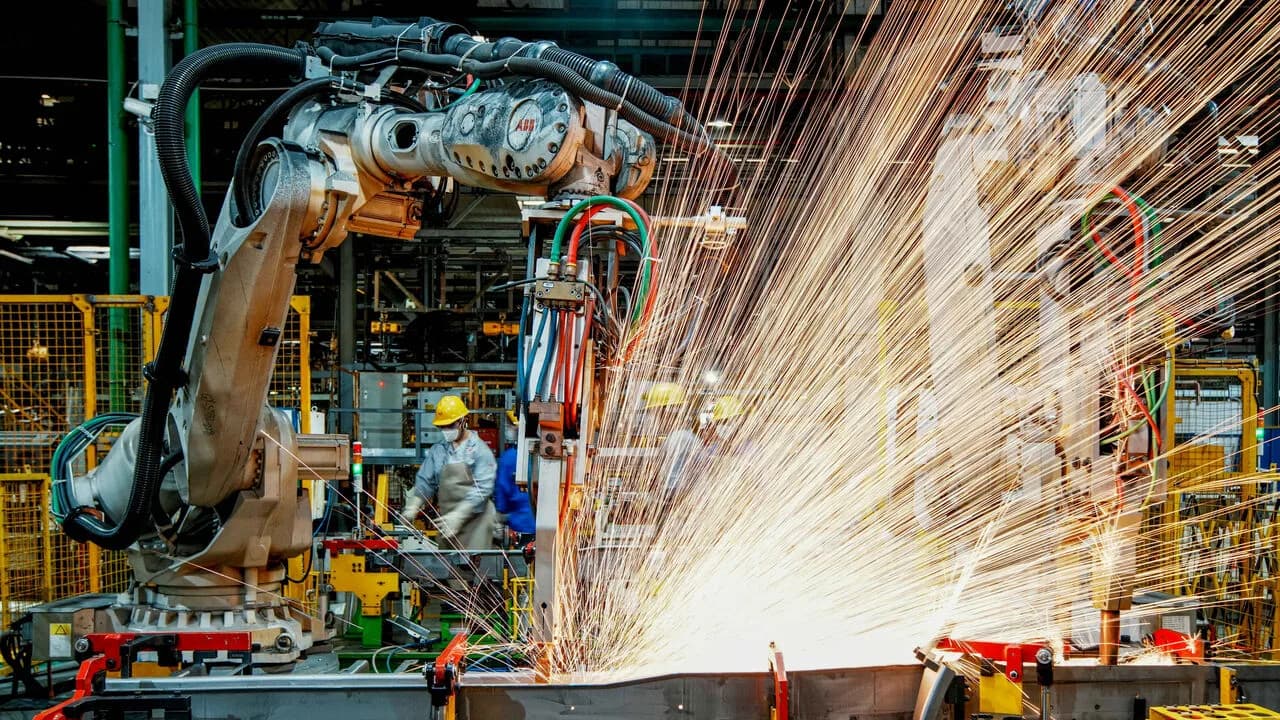
For most of the past decade the anxiety about China's place in the world economy has run in one direction. Factories in the country churned out more than its own people could buy, the excess was shipped abroad, and the resulting surplus became a standing grievance in Washington and Brussels. So it comes as a genuine surprise that the gap between what China sells and what it buys has begun to close. In the first half of 2026 the surplus slipped to about 576 billion dollars, down from 586 billion a year earlier, even as trade in both directions grew.
The reason is not that exports have faltered. They have not. It is that imports are climbing faster still. Over the same six months Chinese exports rose by roughly 18 percent while imports jumped by nearly 27 percent, and it is that widening gap between the two growth rates, rather than any weakness in sales abroad, that is quietly reshaping the balance.
A March that broke the pattern
The clearest jolt came in the spring. In March the monthly surplus collapsed to about 51 billion dollars, the smallest in more than a year and far below the 112 billion that forecasters had pencilled in. Export growth almost stalled, slowing to 2.5 percent after a scorching run early in the year, while imports surged by nearly 28 percent to a record. For a country whose critics assume the arrows only ever point one way, it was a bracing month, and it dragged first-quarter growth estimates lower.
Part of that swing was mechanical. Exporters had rushed shipments out the door in late 2025 to beat American tariffs, so the comparison with a year earlier flattered the early figures and then punished the later ones. Sales to the United States fell by more than 16 percent in the first quarter, the standout weak spot among China's big markets. Yet economists expect that drag to fade as the tariff distortions of the previous year wash out of the numbers.
Silicon does the heavy lifting
The more interesting force is what China is now buying and selling. High technology has pulled away from the pack. Semiconductor exports leapt by more than 77 percent in the first quarter, cars by nearly 59 percent and ships by almost 49 percent, all far outpacing the modest gains in ordinary goods. The country is climbing the value ladder even as its low-cost advantage narrows.
On the import side the same theme appears in reverse. China bought only slightly more chips by volume, yet the value of those purchases rose about 45 percent, a sign that the global scramble for advanced silicon has sent prices soaring. By June the pattern had gone into overdrive. Exports hit a monthly record of 412 billion dollars and imports a record of their own, both lifted by the worldwide rush to build artificial-intelligence data centres and the pricey chips that fill them.
The numbers no longer describe a simple exporter of cheap goods. They describe an economy wired into the most expensive supply chain on earth.
Energy, and the shadow of the Gulf
Commodities add a final twist. For a while cheaper oil actually held the import bill down, with the volume of crude rising even as its value fell. That reprieve is ending. The confrontation in the Strait of Hormuz and the jump in energy prices that came with it are set to push the cost of China's fuel purchases higher in the months ahead, widening the import side of the ledger for reasons that have nothing to do with the strength of Chinese demand and everything to do with events far from its shores.
None of this means the surplus is about to vanish. June alone produced a gap of more than 125 billion dollars, one of the largest monthly figures on record, and China's bilateral surpluses with both the United States and the European Union kept widening. The point is subtler. The familiar picture of a country that only ships and never spends is out of date. China is importing more, paying more for the advanced inputs its industries crave, and exposing itself to the same volatile energy markets as everyone else. The trade gap is narrowing, and the reasons say more about where the economy is heading than the single number ever could.