The internet is awash in synthetic noise. Generated reviews, fake faces, and marketing dressed up as friendly advice now fill so many feeds that a simple question, what do actual people think, has become surprisingly hard to answer. Reddit has spent twenty years building exactly that, a sprawling archive of people talking to people, and it is now turning that pile of human conversation into one of the most valuable things on the web.
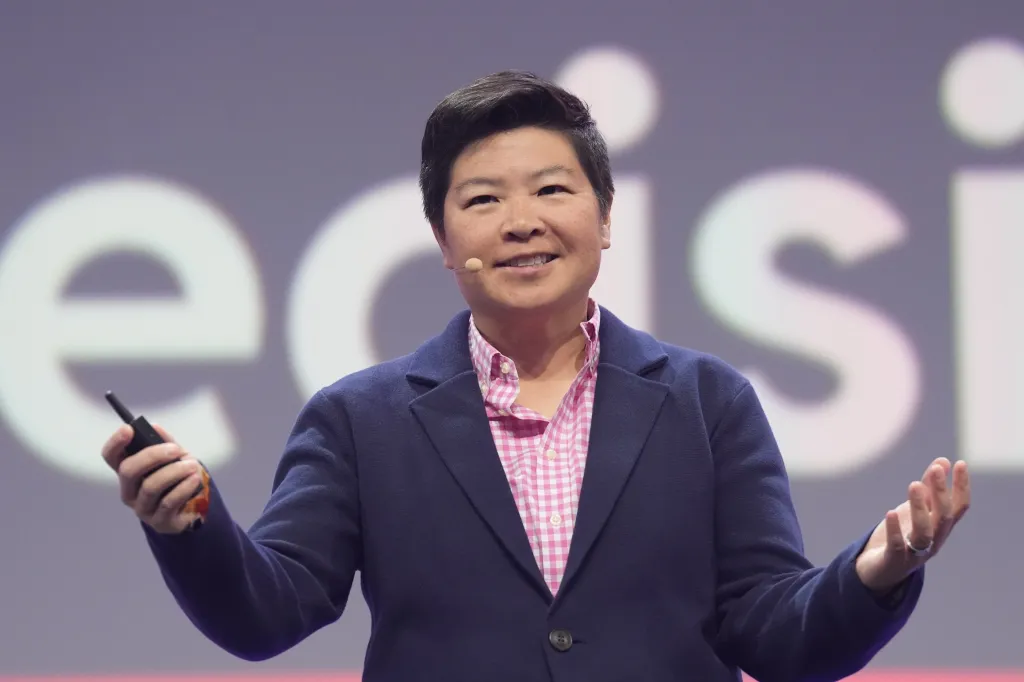
Jen Wong, the company's chief operating officer, puts the appeal plainly. The most radical thing a platform can offer, she argues, is people talking to people. After years of being treated as the internet's odd corner, Reddit finds itself recast as something closer to essential. As Wong frames it, the company has become a pillar of the internet.
From odd duck to search habit
For much of its life Reddit was the place insiders knew and outsiders found confusing. That has changed. The platform now counts more than 120 million daily active users spread across over 100,000 active communities, each with its own rules, jokes, and obsessions. There is, as Wong likes to say, quite literally something for everyone.
The clearest sign of its new status is a habit millions of people have picked up without thinking about it. When they want a real recommendation, for a vacuum cleaner, a doctor, a city to move to, they add the word Reddit to a search and look for what strangers actually said. That reflex, the search for an unscripted human answer, is the whole business in miniature.
The case for being honest
What makes Reddit valuable is also what makes it fragile. The content comes from real people describing real experiences, voted up or down by other real people, and policed by volunteer moderators who set the tone of each community. It is everything, Wong says, that the ideas come from real people. Those moderators are not on the payroll, and they do not want to be. They are independent thinkers, and that independence is exactly what keeps the place trustworthy.
It also keeps the company honest about how far it can push. There was a myth, Wong notes, that Reddit's communities would revolt against any hint of commercialization. That turned out to be false, so long as a brand adds genuine value rather than shouting over the conversation. Users are famously skeptical of marketing and quick to call out anything that feels forced, which is a discipline most platforms never have to face.