Summits of the Group of Seven rarely change the course of a war on their own. The gathering in France was no exception, and yet it did something the previous year of fighting had not. By closing ranks around a cautious push for negotiation, the leaders of the world's richest democracies pried open a narrow window for diplomacy over Ukraine. The opening is small, and it could close as quickly as it appeared, but for the first time in a while there is something real to talk about.
What changed at the table
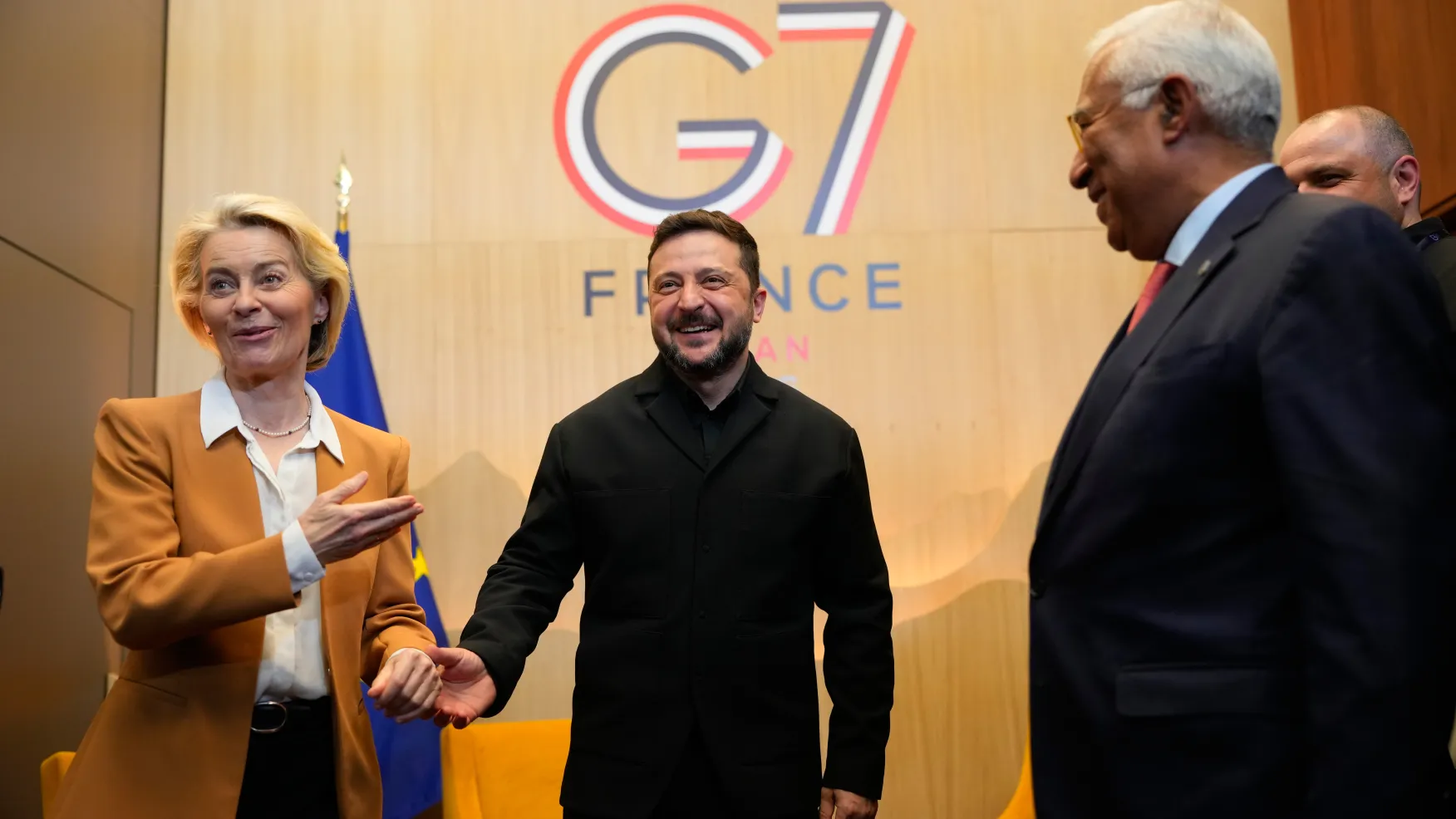
The shift was less a grand plan than a change of tone. Standing alongside Volodymyr Zelensky, Ukraine's president, the European leaders signalled that they were ready to back a serious effort to stop the shooting, provided any deal did not amount to surrender. Ursula von der Leyen, who heads the European Commission, and Antonio Costa, who chairs the European Council, were keen to show that Europe would help shape the terms rather than watch from the sidelines.
The American factor
Hanging over the talks was Washington. President Trump has spent months promoting a peace plan of his own, and his appetite for a quick settlement has unnerved Europeans as much as it has encouraged them. They worry that an agreement struck in haste could reward Russia for its invasion and leave Ukraine exposed. The G7 statement was, in part, an attempt to keep a seat at the table and to make sure any bargain carries conditions Kyiv can live with.
Why now
Several pressures have converged. Both armies are worn down by a grinding war that has moved the front line very little at enormous cost. Western budgets are strained, public patience is thinner than it was, and a widening crisis in the Middle East has pulled attention and resources elsewhere. None of this makes peace likely, but it makes the idea of talks harder to dismiss than it was even a few months ago.
Europe steps forward
For the European Union the moment is a test of nerve. As American commitment wavers, the bloc has taken on more of the burden of arming and financing Ukraine, and it is determined not to be cut out of decisions about the continent's security. Officials have pointed to frozen Russian assets, fresh sanctions, and the promise of future membership as tools to keep Kyiv strong at any negotiating table. The aim is to enter talks from a position of strength rather than fatigue.
Moscow's calculation
The hardest part lies in the Kremlin. Russia has shown little sign of softening its core demands, which still amount to Ukrainian neutrality, territory, and limits on the country's army. A window opened by the G7 means nothing if Moscow refuses to step through it. Some in Europe suspect that President Putin is content to keep fighting while testing whether Western unity finally cracks. Until that changes, any opening remains more invitation than agreement.
The risk of a bad deal
For Ukrainians the danger is not only that talks fail but that they succeed on the wrong terms. A ceasefire that freezes the front line without firm security guarantees could simply buy Russia time to rearm and strike again. Kyiv has lived through broken promises before and will measure any offer against that memory. The challenge for its allies is to turn a fragile opening into a settlement that actually holds.
A window, not a door
It is worth being honest about how modest this is. The G7 has not ended the war or even sketched the outline of a treaty. What it has done is signal that the leading democracies would support a credible path to peace and help define it, rather than leaving the field to others. That is a long way from a deal, yet after years of deadlock even a cracked window lets in a little light.