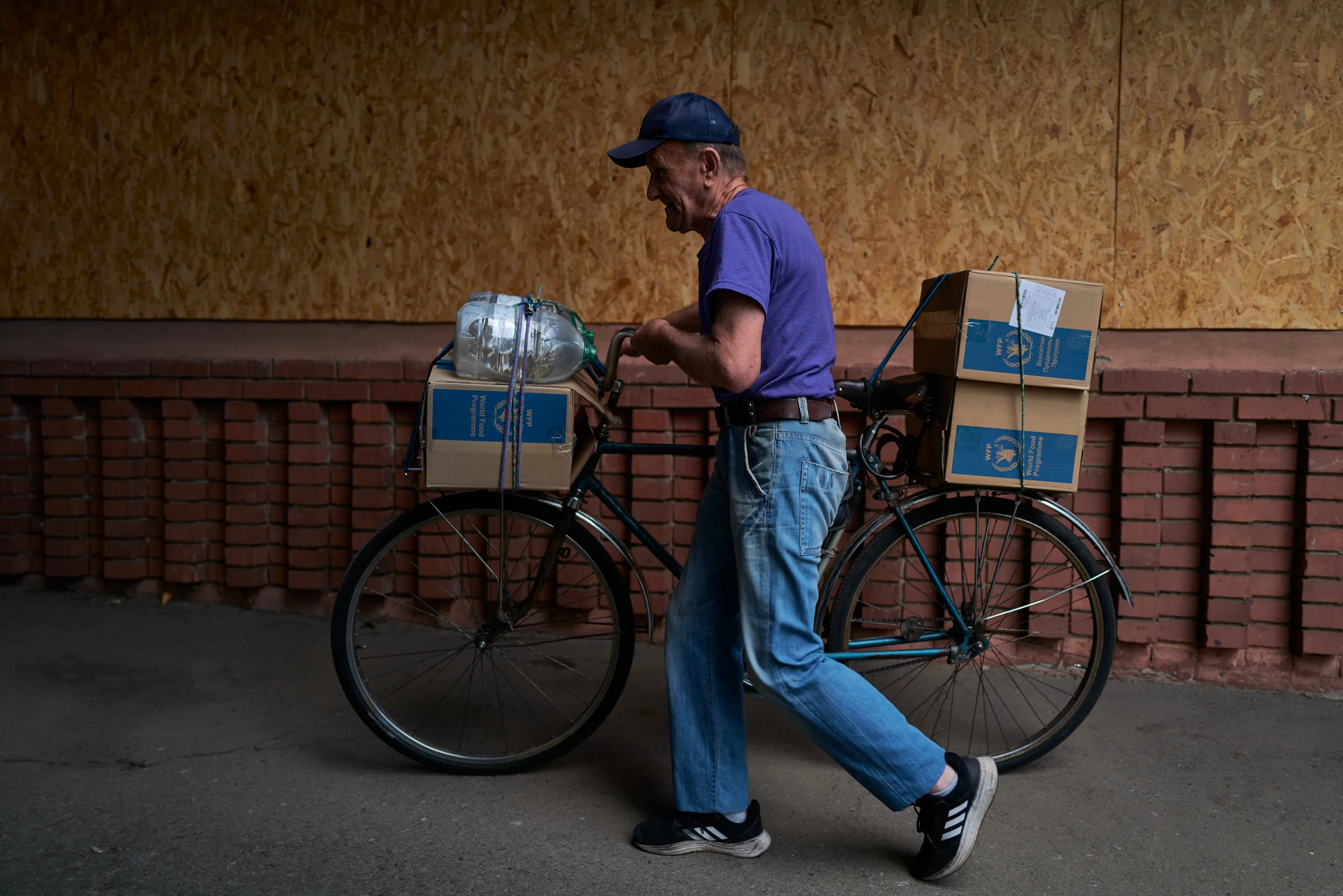
In the belt of towns and villages that hug Ukraine's front line, the simple act of receiving a box of food has turned into a gamble. Aid groups still push convoys toward the fighting, but the small first-person-view drones that now roam the skies over these areas have begun treating the trucks that carry bread and tinned goods as legitimate prey. The result is a crisis with two faces, one of hunger among the people who stayed behind, and one of danger for the workers trying to keep them fed.
The hunger is not abstract. Relief agencies estimate that roughly a third of the population in the regions nearest the fighting cannot reliably find enough to eat, and that more than four hundred thousand people in those areas are living with severe hunger. Across Ukraine as a whole, something like five million people are considered food insecure. The share is worst in the south and east, where in parts of Kherson region more than half of residents face acute shortages and in Zaporizhzhia and Donetsk about two in every five do.
When the delivery becomes the danger
What makes this different from an ordinary wartime shortage is that the supply line itself is under fire. In January a delivery of bread bound for two settlements in the Kharkiv region was struck by an explosive drone near the entrance to Kozacha Lopan. Two local officials, one aged thirty-five and the other sixty-three, were killed and their vehicle destroyed. They had been trying to reach vulnerable residents who had no other way of getting food.
It was not an isolated horror. A World Food Programme truck was later hit by a drone in the Dnipro region after unloading supplies at two villages, wounding the driver. Relief officials say their vehicles, warehouses and the assets of the local partners they rely on have been struck more than eighty times over the past two years, with the January bread attack counted as one of dozens aimed at distribution points, storerooms and convoys. In just the previous six months, aid groups tallied more than twenty separate strikes on delivery points and vehicles from drones, shelling or missiles.
The people who carry the food to the front now face the same weapons as the soldiers, and increasingly they are being killed the same way.