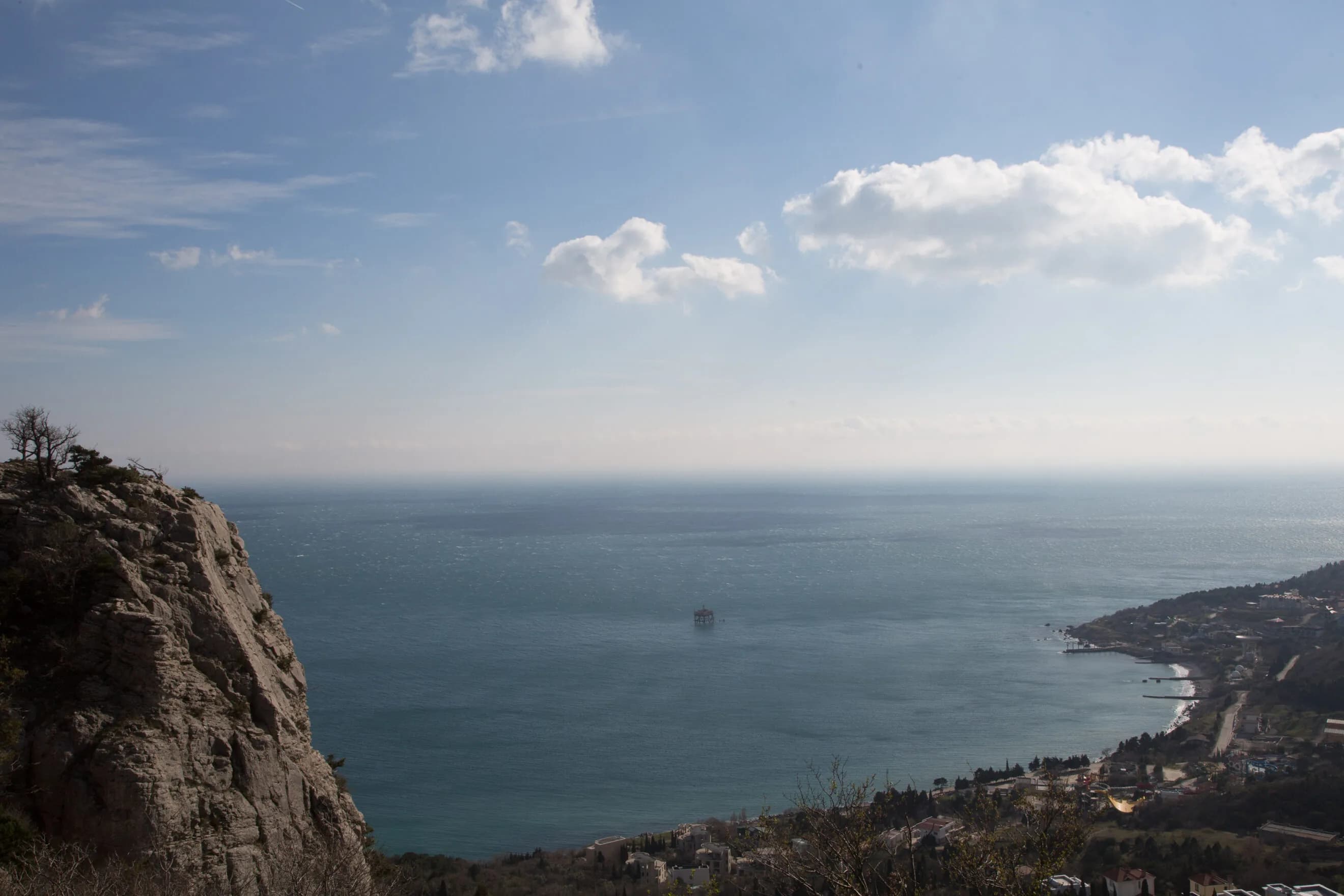
For more than a decade Crimea was the crown of Russia's ambitions in the south. Seized in 2014 and turned into a fortress, the peninsula gave Moscow a warm water naval base, a launch pad for missiles and a powerful symbol of restored greatness. When Russia opened its full invasion of Ukraine in 2022, Crimea was the anchor of the whole southern front, the safe rear from which troops, ships and aircraft went to war. Today that anchor has become a weight.
The change has been gradual and then sudden. Early in the war the idea that Ukraine could seriously threaten the peninsula seemed far fetched. It lay deep behind Russian lines, ringed by air defences and guarded by the Black Sea Fleet at Sevastopol. Kyiv had no navy to speak of and few weapons that could reach so far. What it built instead, out of necessity, was a new way of fighting, and that has quietly rewritten the map.
Death of a safe harbour
The clearest sign is the fate of the Black Sea Fleet. Once the pride of Russia's presence in the region, it has been driven from its home waters, pulled back toward ports on the Russian mainland to escape a steady rain of drones and missiles. Ukrainian officials say that by early 2026 roughly a third of the fleet had been destroyed or badly damaged. A force built to dominate the sea now spends much of its effort simply trying to survive it.
Ukraine managed this without a conventional navy at all. Cheap sea drones packed with explosives, paired with long range missiles and aerial drones, let a country with almost no warships push a major fleet out of a sea it once controlled. It is one of the strangest reversals of the war, and one of the most consequential.
Cutting the lifelines
The assault has since widened from ships to the arteries that keep Crimea supplied. The Kerch bridge, Vladimir Putin's prestige project linking the peninsula to Russia, has been struck again and again, and Moscow has lost much of the ferry capacity it leaned on whenever the bridge faltered. In June the Russian command went so far as to bar military cargo from the main highway running across the peninsula, an admission that Ukrainian fire now reached the roads themselves.
The results have shown up in daily life. Reports from the occupied territory describe fuel running short, queues at crossing points stretching for kilometres, and a supply system straining under constant attack. Ukraine has been methodical, picking off the fuel depots, ammunition stores and logistics hubs that a large military force cannot do without, so that even when the bridge stands the traffic across it is dangerous.