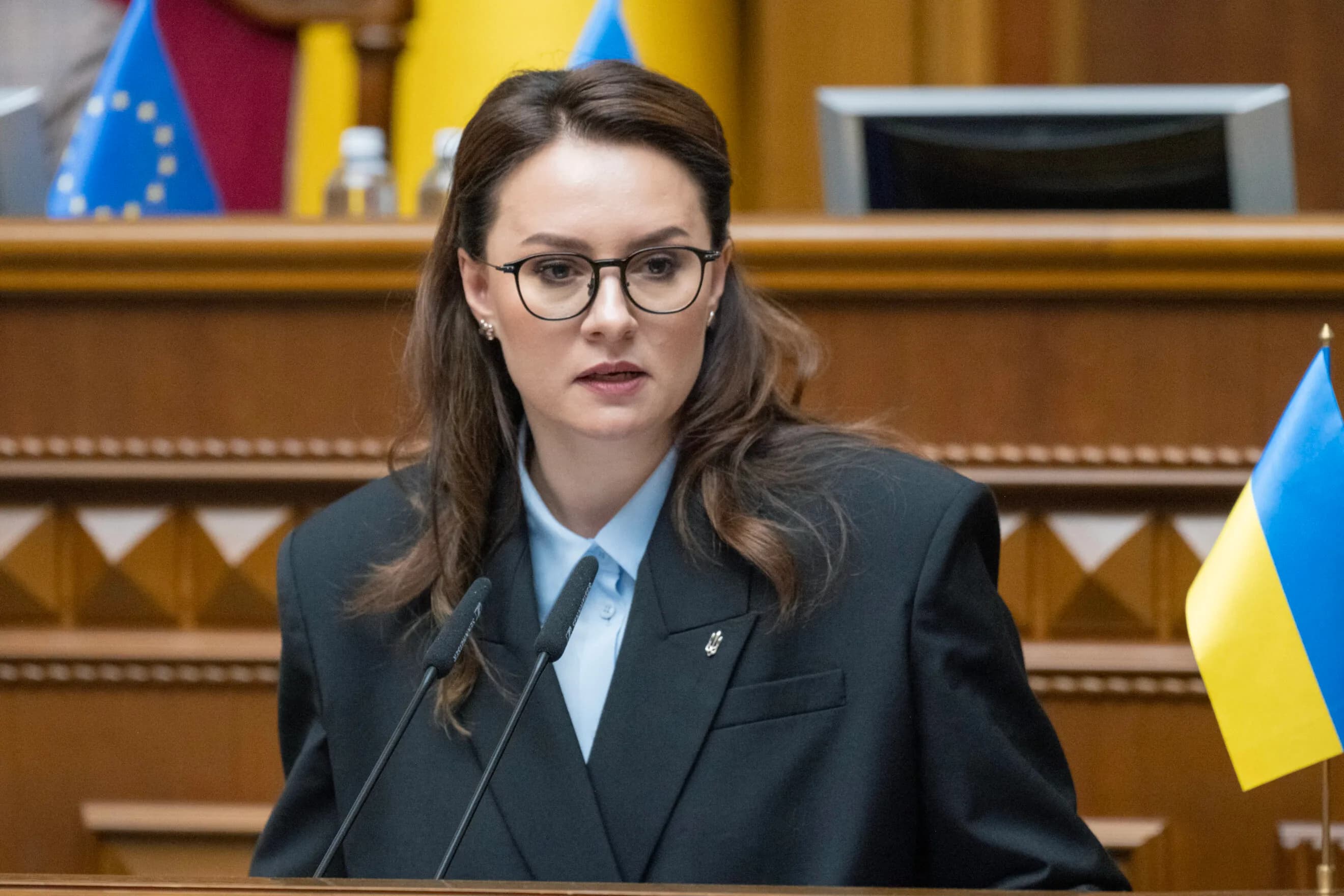
President Volodymyr Zelensky has moved to replace Ukraine's prime minister, Yulia Svyrydenko, announcing a wide reshuffle of his government that he cast as a reset rather than a rupture. More than four years into the war with Russia, the president said the country needed an updated approach at the top, and that new faces were required to carry it out.
The decision is striking because Svyrydenko has held the job for only about a year. An economist by training who rose through the finance and economy portfolios, she was installed to steady the government and manage the grinding demands of a wartime economy. Her removal, so soon after her appointment, signals that Zelensky wants momentum more than continuity as the conflict drags on.
The president was careful to frame the change as a promotion rather than a fall. He thanked Svyrydenko for her work and said he had offered her the chance to lead an important new area, in particular the relationship with one of Ukraine's most vital partners. Lawmakers close to the process suggested that meant Washington, with Svyrydenko lined up to become Ukraine's ambassador to the United States.
Why the Washington posting matters
If confirmed, that role would be anything but a step down. No relationship matters more to Ukraine's survival than the one with the United States, which supplies weapons, money and diplomatic weight that Kyiv cannot replace on its own. Sending a trusted former prime minister to Washington would place a heavyweight in the single most consequential embassy Ukraine keeps, at a moment when American support can never be taken for granted.
It also solves a delicate problem. Moving Svyrydenko sideways rather than out lets Zelensky refresh his cabinet without appearing to punish a loyal official, and without the public drama of a sacking. In wartime, the appearance of unity at the top carries a value of its own.
The names in the frame
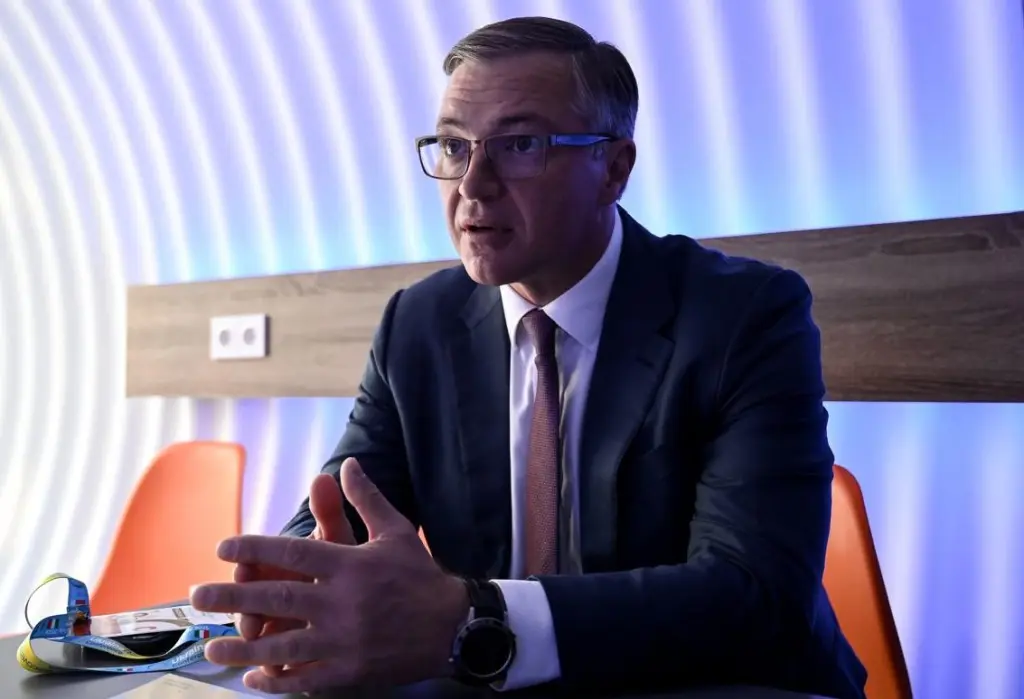
Attention now turns to who might take the premiership. Among those mentioned are Denys Shmyhal, a former prime minister who has remained a fixture at the top of government, along with Defence Minister Mykhailo Fedorov and Serhiy Koretskyi, who leads the state energy company Naftogaz. Each would bring a different emphasis, from administrative experience to the technology driven approach that has shaped much of Ukraine's war effort.
The next prime minister inherits a job defined less by grand strategy than by the relentless work of keeping a country running while it fights.
Whoever is chosen will take on a punishing brief. The new premier must keep the economy moving under constant bombardment, manage relations with donors whose patience is not infinite, and press ahead with the reforms that Ukraine's bid to join the European Union demands. Little of it is glamorous, and all of it is urgent.
A parliament that rarely says no
For all the significance of the move, its passage is unlikely to be in doubt. Cabinet changes in Ukraine require the approval of the Verkhovna Rada, the national parliament, but since Russia's full scale invasion in February 2022 lawmakers have largely closed ranks behind the president. They rarely block his agenda, and a reshuffle billed as strengthening the war effort is not the moment most would choose to break with him.
That deference is a double edged feature of wartime politics. It gives Zelensky the freedom to reorganise his government quickly and decisively, which a country at war may well need. It also concentrates power tightly around the presidency, leaving fewer checks on decisions that in calmer times would face far harder questions.
For now the message from Kyiv is one of renewal. By reshaping his cabinet and steering a former prime minister toward Washington, Zelensky is signalling that even in a war of attrition he means to keep adjusting rather than let his government harden into place. Whether the new line up delivers the fresh strategy he promises will be judged not in the announcement, but in the difficult months that follow.