Few companies carry as much weight in a single country as Tata does in India. The sprawling group makes everything from cars and steel to software and salt, and for more than a century it has stood as a byword for trust and national pride. Now its leaders are spending enormous sums to push into industries India has never dominated. The ambition is breathtaking, the bill is large, and so far the rewards have been slow to show up.
A conglomerate remade
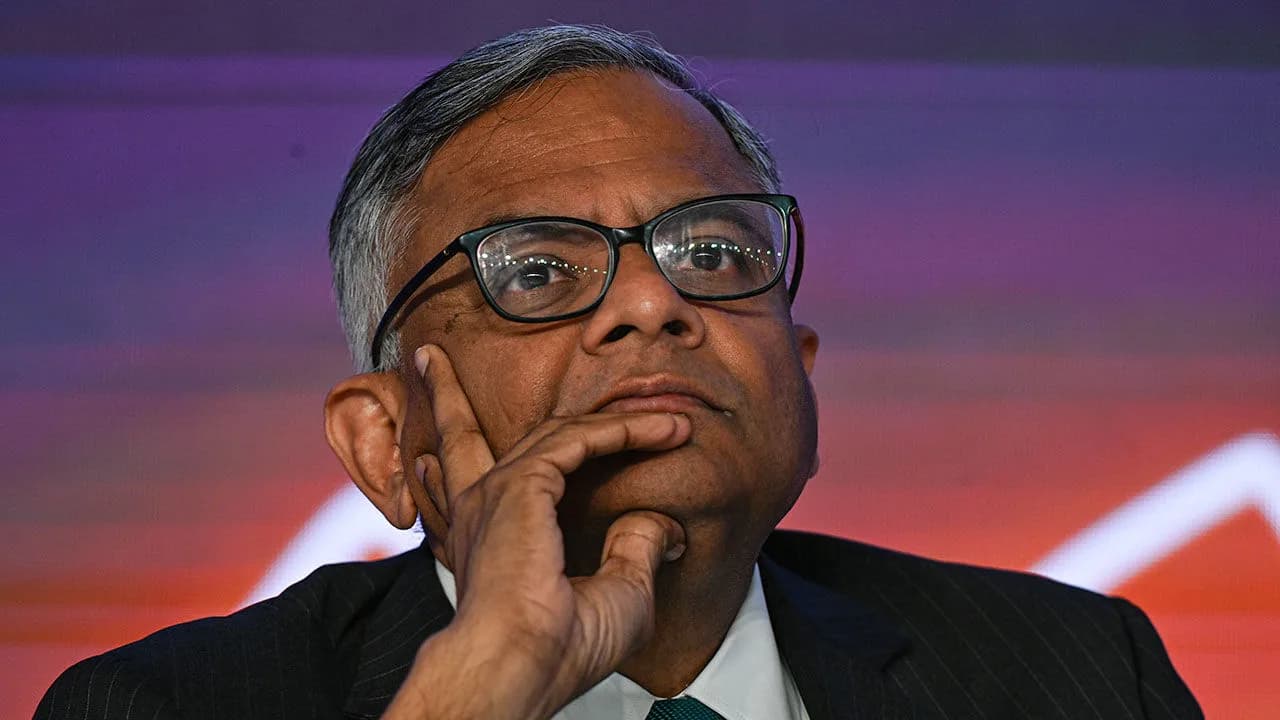
The architect of this push is Natarajan Chandrasekaran, the chairman of Tata Sons, the holding company at the centre of the empire. Since taking charge he has tried to turn a loose collection of businesses into a sharper, more modern group aimed at the industries of the future. That has meant pouring money into areas far from Tata's traditional strengths, in a bet that India's next era of growth will run through factories and technologies the country currently buys from abroad.
The big bets
The list of new ventures is striking. Tata is building a semiconductor plant, an attempt to give India a foothold in an industry it has almost entirely lacked. It is assembling iPhones for Apple, having bought its way into the supply chain that the world's most valuable company is shifting out of China. It is making electric cars and the batteries to power them, and it has taken on the long and costly job of reviving Air India, the troubled flag carrier it bought back from the state.
Why the patience
Each of these bets shares a common trait. None pays back quickly. Chip factories take years to build and longer to run at a profit. Turning around an airline means absorbing losses while new planes arrive and old habits change. Building a presence in electric vehicles and batteries demands heavy spending well before the sales catch up. Tata is, in effect, planting trees whose fruit will not arrive for a decade or more.
The cash behind the dream
What makes the spree possible is one extraordinary business. Tata Consultancy Services, the group's giant software arm, throws off enormous and reliable profits that help bankroll the rest. So long as that engine keeps humming, Tata can afford to lose money for years on its newer projects. The danger is obvious. A group that leans this heavily on a single cash cow is exposed if that one business ever falters.
Where it has stumbled
Not every gamble has gone to plan. Tata Neu, an ambitious app meant to bundle the group's many services into a single digital marketplace, has yet to win the loyalty its backers hoped for. The Air India turnaround has proved slower and bumpier than promised, with passengers quick to complain. Even the headline projects in chips and electronics face fierce global competition and the constant risk that costs run ahead of revenue.
A national project
It would be wrong to read all this purely as business. Tata's bets line up closely with the Indian government's drive to make more at home, from semiconductors to defence to clean energy. By taking on industries the country wants to build, the group casts itself as a partner in a national project rather than a company simply chasing returns. That brings goodwill and support, and it also brings pressure to keep spending on ventures that might never have made sense on profit alone.
The verdict to come
For now the scoreboard is mixed. The vision is bold, the balance sheet can bear it, and a few of the bets could one day reshape whole industries inside India. Yet bold visions have a way of devouring cash, and shareholders will not wait forever to see a return. Chandrasekaran is asking for patience on a grand scale. Whether Tata's wager on India's future proves wise or merely expensive is a question that only the next several years can answer.