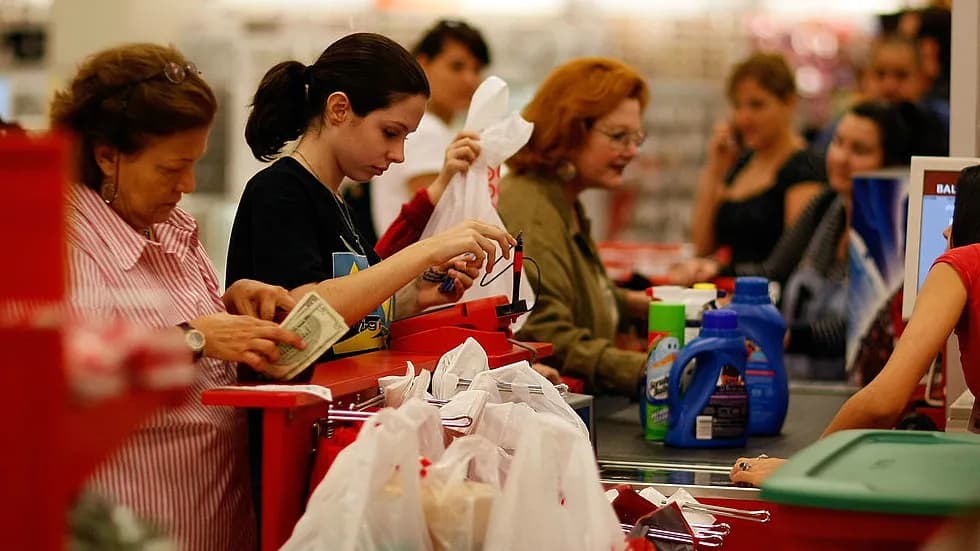
The American economy runs on shopping. Consumer spending makes up roughly two thirds of it, which means the health of the whole system rests on whether ordinary households keep reaching for their wallets. For the past few years they have, defying one forecast of a slowdown after another. Look beneath the headline numbers, though, and the picture grows more complicated. The American consumer still looks strong, but the strain is starting to show.
The strength is real
Start with the good news, because it is genuine. Americans have kept spending through higher prices and higher interest rates, supported by a job market that has stayed remarkably solid. Most people who want work can find it, wages have risen, and unemployment remains low by historical standards. As long as paychecks keep arriving, households tend to keep buying, and that simple fact has carried the economy further than many experts expected.
A tale of two consumers
Dig deeper and a split appears. Wealthier households, which own most of the country's shares and homes, have grown richer as markets and property values climbed, and they are spending freely. Lower income households tell a different story. They feel every rise in the price of groceries, rent, and fuel, and they have far less cushion to absorb a shock. The result is an economy held up disproportionately by the people at the top.
The cushions are wearing thin
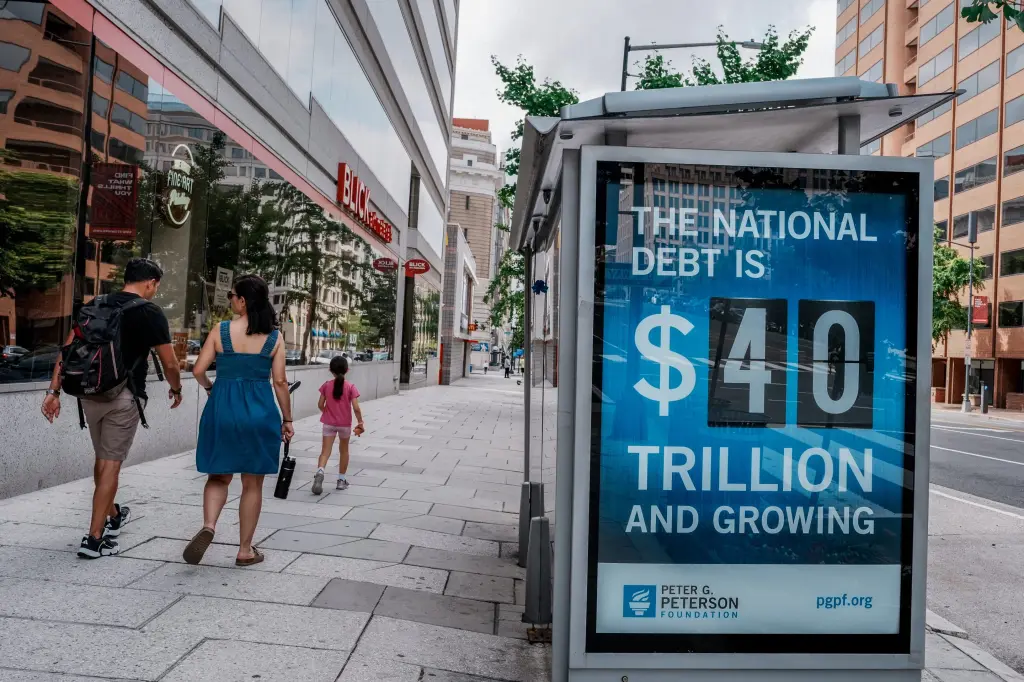
For the bottom half of earners, the savings built up during the pandemic have largely been spent. To keep up, many have leaned on credit. Card balances have climbed to record levels, more borrowers are falling behind on car loans, and services that let people split a purchase into instalments have boomed. None of this is a crisis on its own, but it is the kind of borrowing that looks fine until incomes wobble.
The weight of high rates
Borrowing costs add to the squeeze. Years of higher interest rates have made carrying a credit card balance painful and pushed the cost of new car and home loans well above what many people remember. Households that locked in cheap mortgages feel insulated, yet anyone trying to borrow afresh faces a much steeper bill. The longer rates stay elevated, the more they grind on the budgets of families with little room to spare.
Why the jobs market is everything
The single most important variable is work. Spending has held up because employment has held up, and the two are tightly linked. Should hiring stall and unemployment climb, the stretched lower half would be forced to pull back fast, and their retreat would ripple through shops, restaurants, and services across the country. The recent cooling of the labour market is therefore watched far more closely than any single sales figure.
Mixed signals
What makes the moment so hard to read is that the data point in different directions at once. Retail sales can look healthy in one month and soft the next. Surveys of how people feel about the economy have been gloomy even while their spending stayed firm. Economists who argue that the consumer is fine and those who warn of trouble can both find numbers to support their case, which is exactly why the question keeps coming up.
What to watch next
The honest answer is that the American consumer is neither as invincible as the spending suggests nor as fragile as the debt figures imply. Strength at the top is masking strain at the bottom, and the balance holds only as long as jobs do. If the labour market stays firm, the economy can keep gliding along. If it cracks, the parts of the country already stretched the thinnest will be the first to feel it, and the rest will not be far behind.