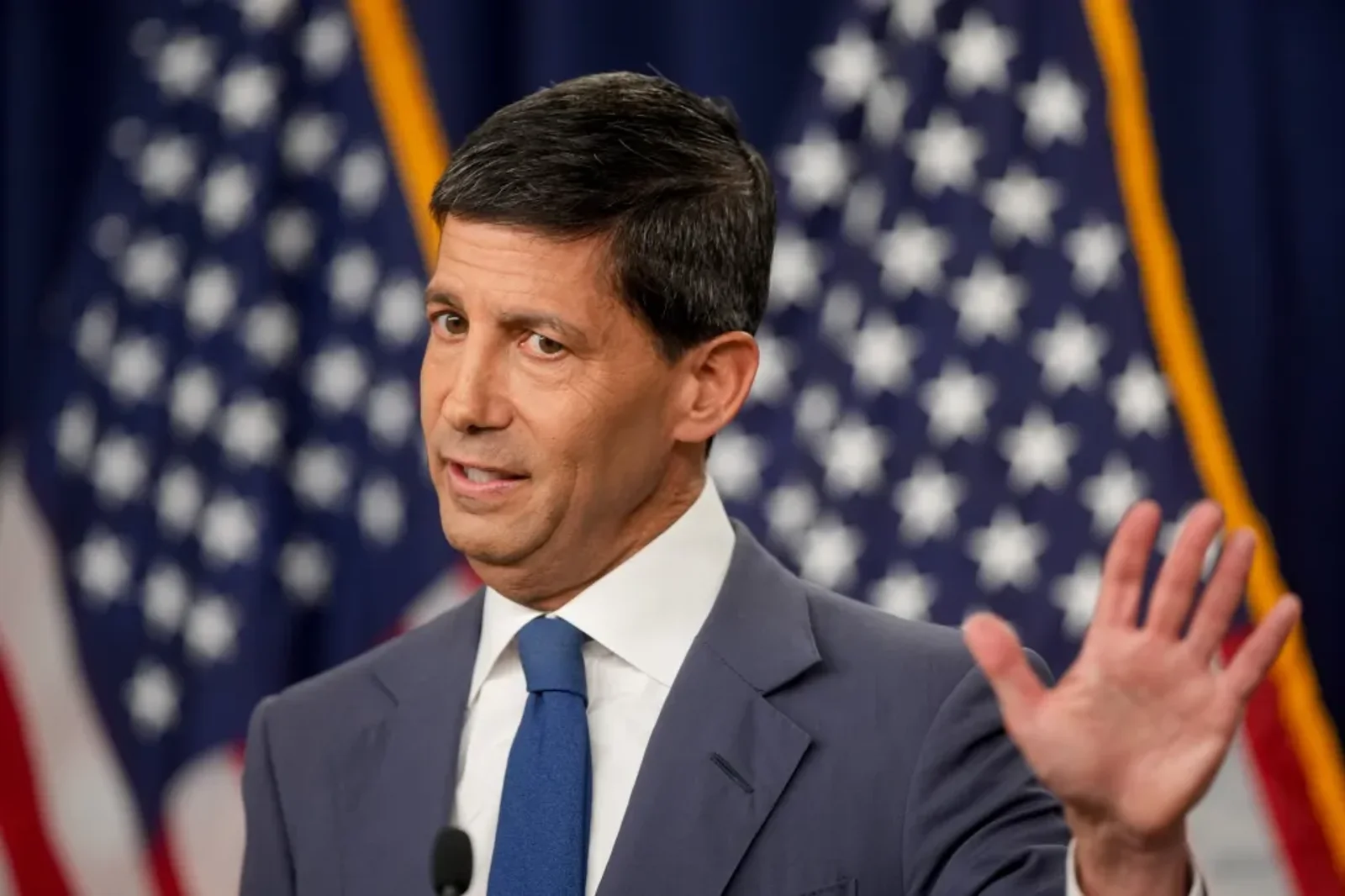
A central banker's most valuable asset is not a policy tool but a reputation. Markets will forgive a Federal Reserve that moves slowly or even makes the occasional mistake, so long as they believe it means what it says about taming inflation. Kevin Warsh, in his first real outing as chair, appears to have spent some of that reputation without quite realising it, and the bond market sent him the bill within minutes.
The setting was the Fed's meeting on July 29, which ended, as almost everyone expected, with interest rates left untouched. The decision itself caused no ripple. It was what Warsh said afterward that did the damage. In a press conference meant to signal confidence and a fresh approach, he instead managed to convince a large part of the market that the new Fed was less committed to fighting inflation than the old one had been, and traders reacted accordingly.
Regime change at the podium
Warsh has never hidden his desire to shake up the institution he now leads. At the podium he promised a kind of regime change, chief among its features the scrapping of forward guidance, the practice by which the Fed telegraphs its likely future moves to keep markets calm and aligned. He floated the idea of looking beyond the central bank's preferred measure of inflation to other gauges, and he suggested that higher borrowing costs in the wider economy were already doing some of the Fed's work, which lessened the need for the bank to raise rates itself.
Each of these ideas has defenders among economists. The trouble was the packaging. Warsh offered the ambition without the detail, the promise of a new method without any explanation of what the method actually was. To an audience straining for reassurance that inflation remained the priority, a chairman who talked of flexibility while declining to say how he would use it sounded less like a reformer and more like a man leaving himself room to go easy.
The market answers back
The response was swift and unforgiving. Investors sold Treasuries, driving yields sharply higher, with the steepest moves at the long end of the curve. That shape matters more than the headline. When markets trust that a central bank will act against inflation, short term yields tend to rise while longer term ones ease, because investors expect the problem to be brought under control. When they doubt that resolve, the opposite happens, and long term yields climb as the price of lending money years into the future rises to compensate for the inflation nobody now trusts the Fed to stop.
That steepening is the market's way of expressing distrust, and it arrived almost as Warsh finished speaking. Economists at Bank of America gave the episode a name, calling it a central bank inflation credibility shock. Their conclusion carried a sting of irony. By undermining confidence in the Fed's commitment, they argued, Warsh had actually raised the odds that the bank would feel compelled to prove itself with an interest rate rise in September, the very outcome his dovish tone seemed designed to avoid.
The cost of abandoning guidance
The deeper worry among market watchers is the loss of forward guidance itself. For all its critics, the practice gave investors a map of where the Fed thought it was going, and a map, even an imperfect one, is calming. Take it away without offering anything in its place and you invite a thousand questions the central bank used to answer in advance. Torsten Slok, the chief economist at Apollo, put the danger plainly, warning that abandoning guidance risks a steeper yield curve as investors are left to ask more questions and demand more compensation for the uncertainty.
There is a version of Warsh's project that could work. A Fed less wedded to rigid signalling and more willing to respond to the data in front of it is a defensible goal, and some of his instincts about the limits of the old approach are shared by serious people. But credibility is built slowly and lost quickly, and a new chair spends his opening months establishing that his words can be trusted before he starts rewriting the rules. Warsh appears to have reversed the order, reaching for the reforms before he had banked the trust needed to survive them.
A test on Friday
The next reading comes soon. Friday brings a fresh report on the jobs market, and its strength or weakness will tell investors a great deal about how much room the Fed really has. A hot number would sharpen the case for the September rise that Bank of America now sees as more likely, and would test whether Warsh is prepared to act as forcefully as his lost credibility may require. A weak one would hand him some relief, though not the trust he squandered at the podium.
For now the new chairman is learning an old lesson the hard way. The Federal Reserve's power rests less on the rates it sets than on the belief that it will do whatever those rates require. Kevin Warsh set out to make the institution more flexible and ended his first big appearance having made it look less sure of itself. Rebuilding that certainty will take more than a single better press conference, and the bond market, having spoken once, will be listening closely for whatever he says next.