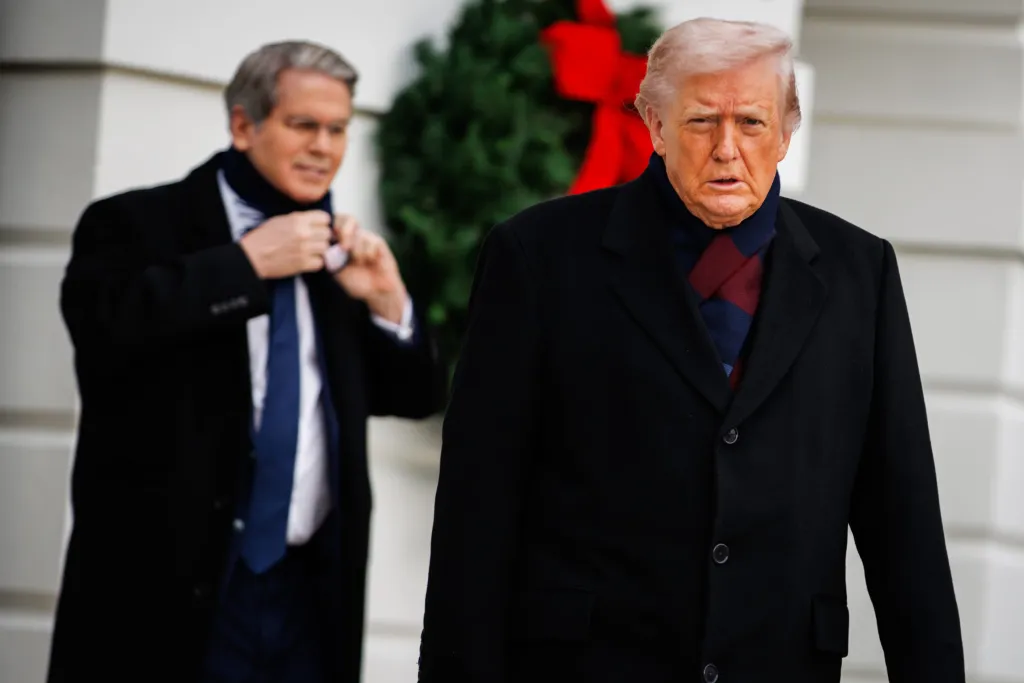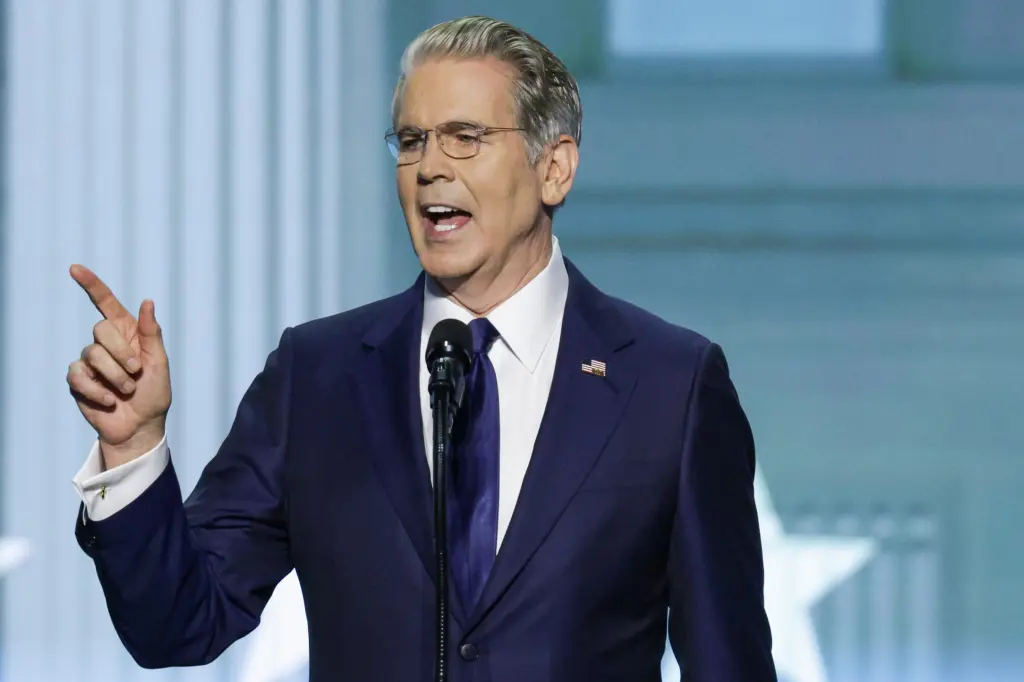
Speaking at Southern Methodist University's business school on September 8, Treasury Secretary Scott Bessent offered one of the boldest lines of his tenure so far. I am the house now, he told the audience, arguing that joint intervention with Japan gives him unusually good insight into what the Bank of Japan and Japanese policymakers will do next. You can bet against me if you want, he added, daring currency traders to test him on the yen.
The yen bet that started it
The confidence traces back to late July, when the United States and Japan carried out a joint yen buying operation aimed at heading off a wave of Japanese investors offloading their Treasury holdings. Bessent had already been describing the yen as undervalued, and the currency did strengthen afterward, climbing to nearly a seven month high in the weeks that followed the intervention.
Tripling the buyback, and it still was not enough
The Treasury backed up the rhetoric with action, expanding its long dated bond repurchase to as much as 6 billion dollars for its September 10 operation, triple the pace it had been running at earlier in the summer. Despite that show of force, the 10 year Treasury yield climbed to 4.93 percent on Thursday, its highest level since 2023 and within striking distance of the 5 percent line the market has not crossed in more than a decade.
The numbers working against him
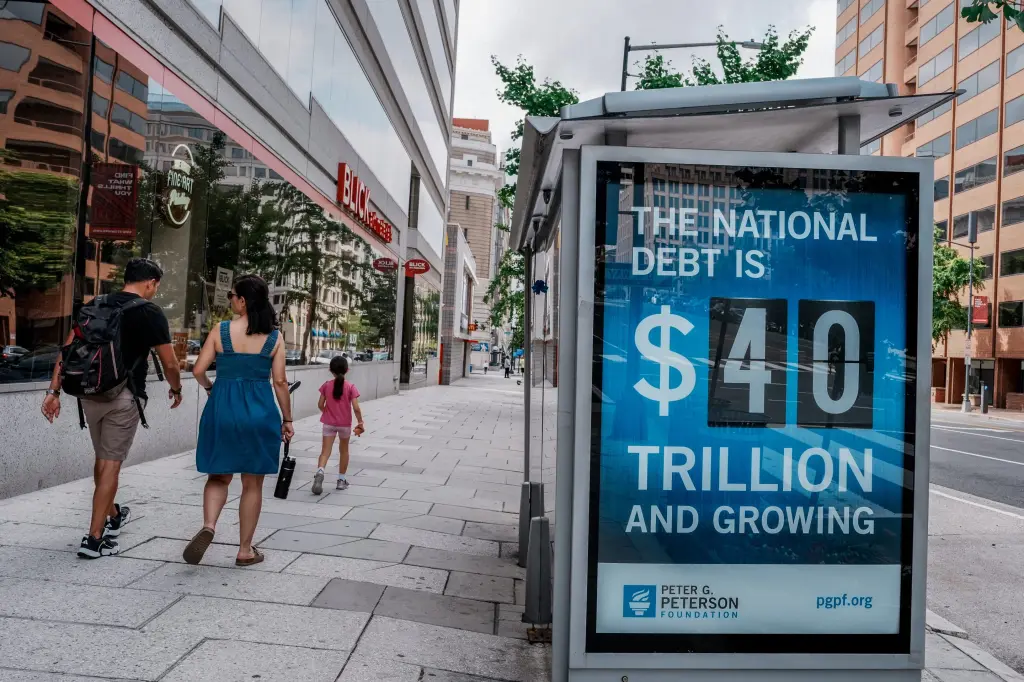
The backdrop makes the standoff harder to win. The Treasury market itself is now worth about 32 trillion dollars, and the national debt has climbed to a record 40 trillion dollars. Oil has added its own pressure, with Brent crude trading above 100 dollars a barrel amid fallout from the conflict with Iran, reviving inflation worries at the exact moment the administration wants borrowing costs to come down rather than rise.
A quieter Fed, a louder Treasury
Federal Reserve Chair Kevin Warsh has leaned toward what he describes as a quieter Fed, a lighter touch on public communication that leaves more of the market stabilizing rhetoric to Bessent and the Treasury Department itself. White House spokesperson Kush Desai has defended Bessent's record publicly, framing the interventions so far as evidence the administration is actively managing market stress rather than ignoring it.
Not every analyst is convinced words alone will hold the line. Thomas Kikis has argued that rhetoric of the kind Bessent delivered at SMU is unlikely to be enough on its own, without real cuts to federal spending behind it. In that view, the Treasury secretary's dare is less a signal of control over the bond market and more a test of whether confident talk can substitute for the harder, slower work of actually shrinking the deficit.
Calling yourself the house works until the market decides to check whether the chips are actually there to back it up.
Whether Bessent's declaration holds up will likely depend on what happens to that 10 year yield in the weeks ahead. Having already pushed within a few tenths of a point of 5 percent despite a tripled buyback and a public dare from the Treasury secretary himself, bond investors have so far shown little sign of taking the bet off the table.