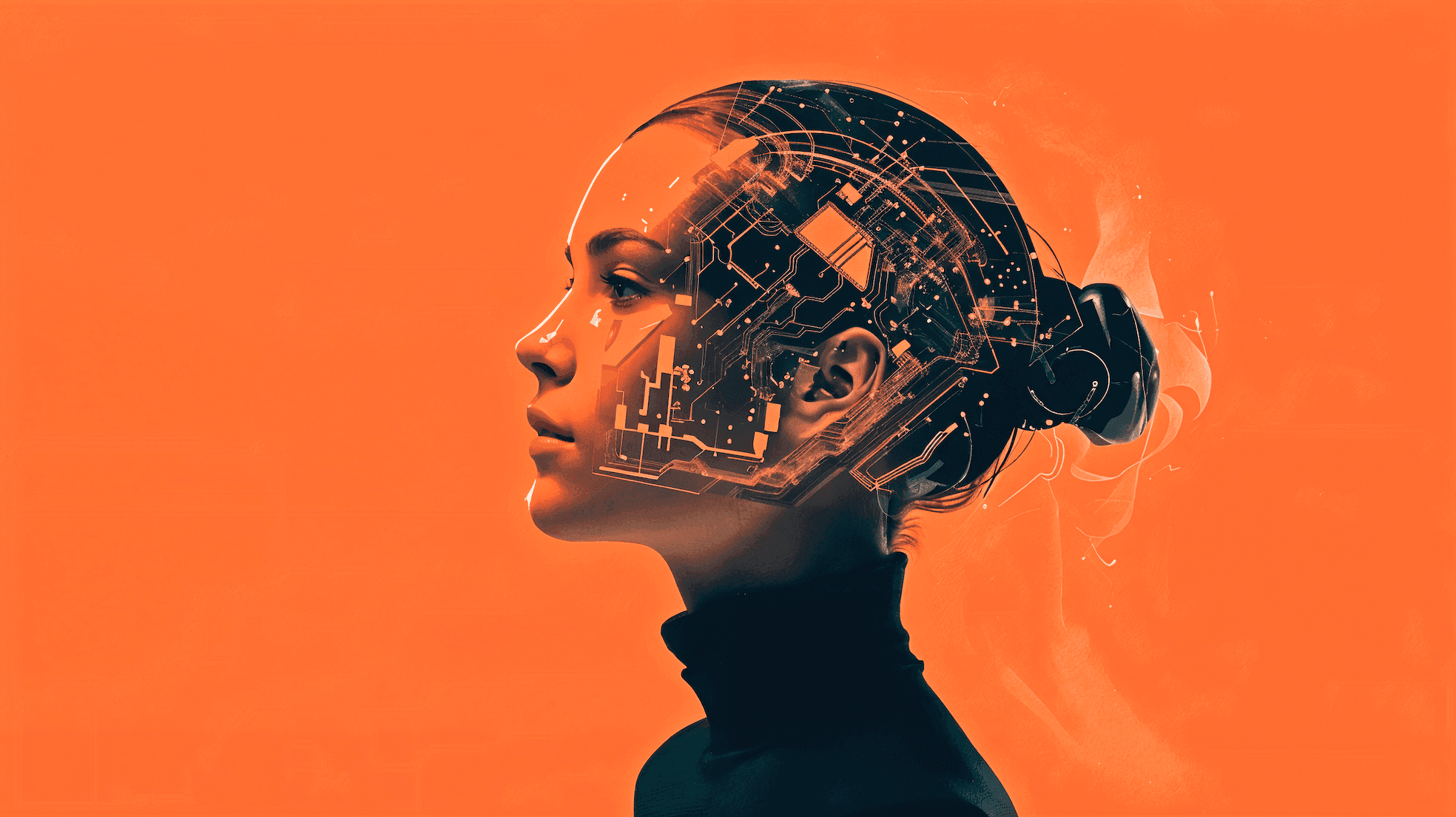
The story of modern artificial intelligence has always had a human author. People gathered the data, designed the networks, tuned the countless settings, and sifted the results to decide what worked. That is beginning to change. A growing share of the work that goes into building advanced AI is now being done by AI itself, and the machines are getting noticeably better at it. The tools are starting to help make the next generation of tools.
The work behind the magic
Building a powerful model is less a flash of genius than a long slog of trial and error. Engineers choose an architecture, the shape of the network, then pick learning rates, batch sizes, and dozens of other knobs known as hyperparameters. They run experiments, study the outcomes, and adjust. Each cycle can be slow and expensive, and much of it is the kind of patient tinkering that machines are well suited to take over.
Machines that tune machines
That is exactly where AI has moved in. Automated systems now search through vast numbers of possible designs far faster than any human team, testing combinations a person would never have time to try. Models help write and debug the code used to train other models. They generate synthetic data to fill gaps in real datasets, and they grade the output of rival systems so the best answers can be kept and the weak ones thrown away. Step by step, the chores of building AI are being handed to AI.
A loop that feeds itself
The result is something close to a flywheel. A capable model can be put to work improving the very process that produced it, and the improved process then yields an even more capable model. Each turn of the loop makes the next turn a little easier. In principle this could compress years of painstaking research into a much shorter span, which is part of why the laboratories chasing the frontier are investing so heavily in tools that automate their own work.
Why it matters
If the loop holds, progress could come faster and from a wider field. Smaller teams that cannot afford armies of specialists might lean on automated design to compete with the giants. Research that once took a department a year could be attempted by a handful of people in weeks. The same dynamic also concentrates power, because the groups with the most computing muscle can spin the flywheel hardest and pull further ahead of everyone else.
The limits
It would be a mistake to imagine the humans have left the room. Automated methods are good at refining ideas that already exist, yet they still struggle to invent genuinely new ones. They can burn enormous amounts of computing power chasing tiny gains, and they can lock in the blind spots of the data and goals they were given. For now the machines are powerful assistants in the workshop rather than independent inventors, and people still set the direction.
The harder question
The deeper worry is about control. A system that helps design its successor is also a system whose inner workings grow harder for any person to fully follow. As more of the pipeline runs without close human review, the risk grows that flaws, biases, or unwanted behaviours slip through unnoticed and are passed down the chain. The faster the loop spins, the more it matters that someone can still understand what it is producing and stop it if needed.
What comes next
For all the talk of machines that build machines, the near future is likely to be a partnership rather than a handover. AI will take on more of the grind, and humans will spend more of their time setting goals, checking results, and deciding what is safe to ship. The promise is a faster path to better systems. The catch is that keeping a careful hand on the wheel becomes harder precisely as the technology learns to drive more of itself.