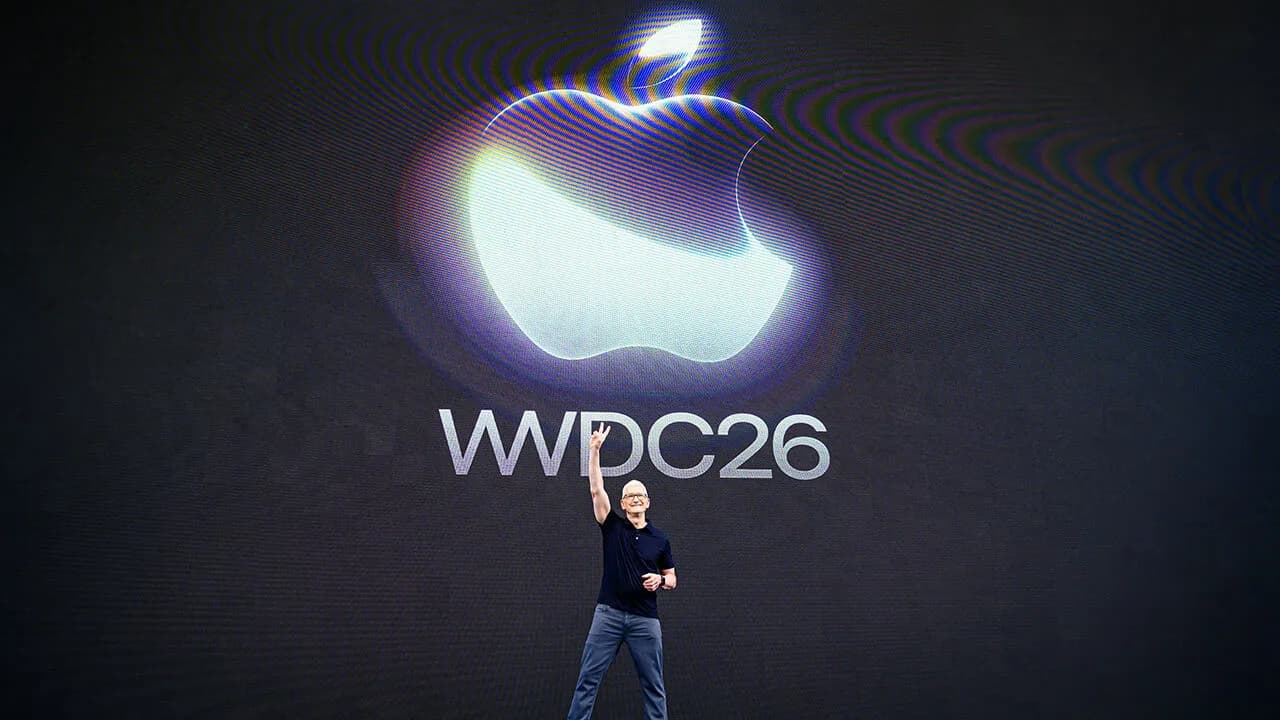
In the race to build artificial intelligence, Apple has spent the past two years looking like a straggler. While rivals launched chatbots that could write essays and software, the company's voice assistant, Siri, stayed a punchline, good for setting timers and little else. A promised overhaul slipped and stumbled. And yet it would be unwise to count Apple out. In a contest that almost everyone assumed it was losing, the company may quietly turn out to be the dark horse.
The case against Apple
The doubts are easy to list. Apple was slow to embrace the wave of generative AI that gripped the rest of the industry, and its grand plan to make Siri genuinely smart arrived late and underwhelmed when it did. Engineers were reshuffled, deadlines moved, and the promised features trickled out rather than landing with a bang. For a company famous for polished launches, the fumbling looked uncharacteristic and, to many observers, like a sign that Apple had simply missed the moment.
The advantage hiding in plain sight
Look past the stumbles, though, and Apple holds a hand few rivals can match. Its software runs on well over a billion active devices, which means any capable assistant it ships reaches an enormous audience the instant it is switched on. A startup with a brilliant chatbot must persuade people to download it and keep coming back. Apple has only to make Siri better and let it appear on the phone already in your pocket. Distribution, in this race, may matter as much as raw cleverness.
A different kind of bet
Apple is also playing the game differently. Rather than trying to build the single largest and most powerful model, it is stitching together smaller models that run directly on the device, a private cloud for heavier tasks, and outside partners for the hardest questions. The goal is an assistant that feels personal and quick while keeping sensitive data on the phone. If that approach works, Apple could offer something its rivals find hard to copy, intelligence that is useful without demanding that people hand their lives to a distant server.
The power of personal context
The real prize is context. An assistant that can see your messages, your calendar, your photos, and your habits, all held securely on your own device, can help in ways a general chatbot cannot. It could find the document a friend sent last week, juggle your schedule, or act across your apps without being told every detail. Apple is better placed than almost anyone to deliver this, because it controls the hardware, the software, and the chips beneath them. Privacy, long a marketing slogan, turns into a genuine product advantage.
Trust as a moat
There is also the matter of trust. Many people remain wary of handing their most private information to AI firms, and Apple has spent years cultivating a reputation for guarding user data. In a field clouded by worries about surveillance and misuse, a brand that customers already trust to hold their secrets enjoys a head start. The best technology does not always win. Often the one that people feel safe using does.
The risk of running late
None of this guarantees success. The danger for Apple is that the gap between promise and delivery grows too wide. If a smarter Siri keeps slipping while rivals improve month after month, even loyal users may drift toward other assistants out of habit. Talent is hard to keep when a project looks troubled, and a reputation for polish can curdle into one for delay. The advantages are real, but they fade if Apple cannot ship something that actually works, and soon.
Why the race is not over
The lesson of past technology shifts is that the first to arrive is not always the one that prevails. Apple was late to music players, smartphones, and tablets, then redefined each by waiting until it could do them well. It is betting that AI assistants will follow the same script, and that patience and reach will beat early hype. The bet could still fail. But anyone writing Apple out of the AI story has forgotten how often the quiet contender comes from behind to win.