For years, the surest way to hurt Iran was to stop it selling oil. Sanctions on its most valuable export were the heart of the pressure America used to bend Tehran, squeezing the money that pays for its government, its weapons, and its allies abroad. So when Washington agrees to ease those sanctions and let Iranian oil flow more freely, it is giving up far more than a technical rule. It is handing Iran one of the biggest prizes it could ask for.
The weapon America is putting down
Oil is the lifeblood of the Iranian state. The country sits on vast reserves, and the cash from selling crude has long funded everything from public salaries to the military and the proxy forces Iran backs across the region. By choking those sales, sanctions aimed to drain the treasury and force hard choices on the leadership in Tehran. Loosening them does the reverse, restoring a flow of money that years of pressure were designed to cut off.
How much Iran really lost
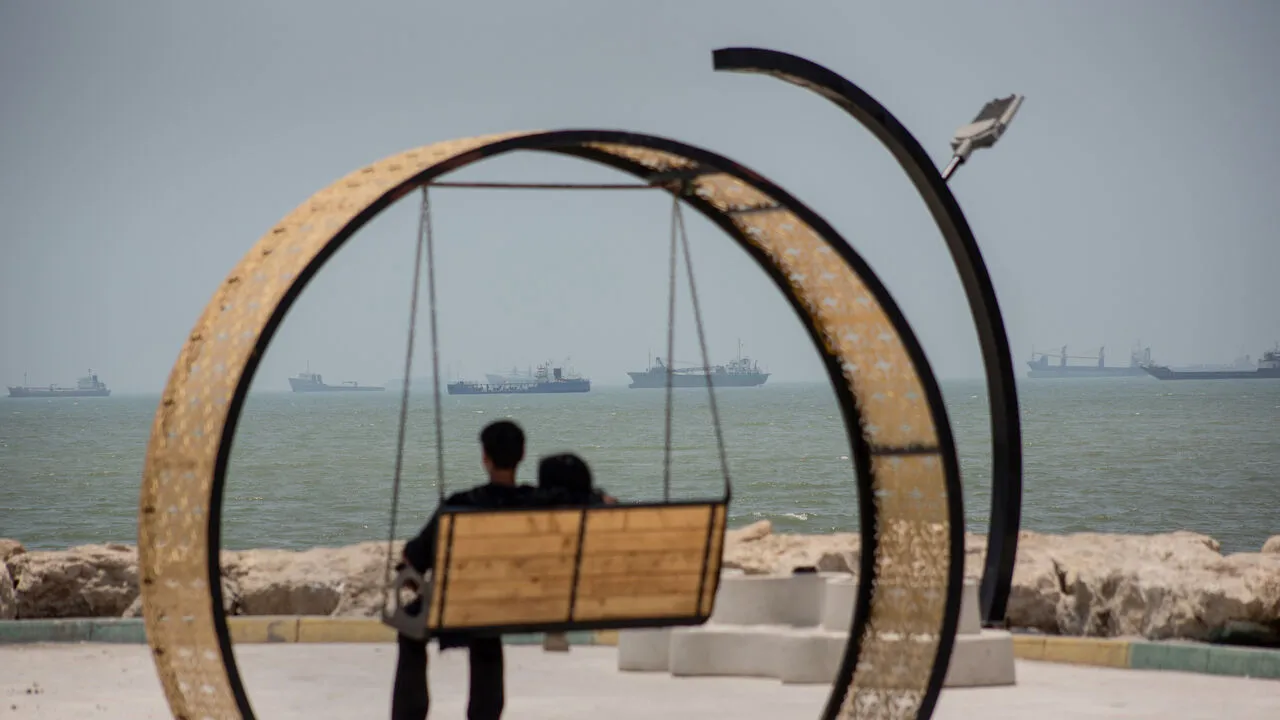
It is true that the sanctions were never airtight. Even at their tightest, Iran kept exporting oil, much of it carried by a fleet of obscurely owned tankers and sold at a discount to buyers in Asia who asked few questions. China in particular became a reliable customer. So the immediate jump in barrels may be smaller than the headlines suggest. What changes is the price and the ease. Selling openly, to more buyers, at something closer to the market rate, is worth a great deal more than smuggling crude at a markdown.
Money and legitimacy
The gain for Iran is therefore twofold. There is the plain matter of revenue, billions of dollars that can now arrive with less friction and less discount. And there is the harder to measure value of legitimacy, the signal that the world's most powerful economy is willing to do business again. Banks, traders, and shippers that once steered clear for fear of penalties may slowly return. Each step back toward the normal economy makes the next one easier.
What it means for oil prices
For the rest of the world, more Iranian oil reaching the market openly could be welcome. Additional supply tends to push prices down, easing the cost of fuel for households and businesses still recovering from a jittery year of conflict in the region. That is the quiet upside of the bargain. Cheaper energy is a real benefit, even if it comes wrapped in an uncomfortable concession to a government the West has spent years trying to isolate.
Why Washington agreed
America did not give this up for nothing. Easing oil sanctions is the kind of concrete, valuable concession that can anchor a wider deal, whether over Iran's nuclear program, a fragile ceasefire, or a broader attempt to calm the region after months of fighting. Economic relief is the currency great powers use to buy security promises. The question is whether what America gets in return is worth surrendering its strongest source of leverage.
The danger of giving up leverage
That is where the worry lies. Sanctions are easier to impose than to restore once lifted. Companies that rebuild ties with Iran will lobby to keep them, and the threat of cutting off its oil loses force the moment buyers grow used to having it. Critics argue that America is trading a durable advantage for promises that Tehran could later break, leaving Washington with less to bargain with and a richer rival across the table.
A bet on engagement
In the end the move is a wager. It bets that drawing Iran back into the global economy will make it more cautious and more cooperative than isolation ever did. That may prove right, or it may simply fund the very behaviour the sanctions were meant to stop. Either way, no one should mistake the scale of what has happened. Letting Iran sell its oil again is not a minor adjustment. It is one of the largest concessions America has made in its long contest with Tehran.