Few people reaching for a rechargeable hearing aid or walking into a building engineered to survive an earthquake think about the Apollo program. Yet both trace their roots to technology developed to get astronauts to the moon, alongside fly by wire flight controls and packaging methods that keep food safe on long journeys. NASA spent decades making sure the public knew about that trail of civilian spinoffs, and the goodwill it built has outlasted the missions themselves. European officials now overseeing a historic surge in defense spending are asking whether their own industry can pull off something similar.
A boom that is hard to miss
The numbers behind Europe's rearmament are striking. British defense industry turnover reached 36.5 billion pounds, around 49.6 billion dollars, in 2026, a jump of 42 percent since 2022. Across the European Union, defense sector turnover now runs to about 148 billion euros, roughly 172.3 billion dollars, a year, up 60 percent since 2021. Productivity within the sector is running as much as 25 percent above national averages in some countries, evidence that the spending surge is not simply flowing into higher prices.
Officials making the pitch
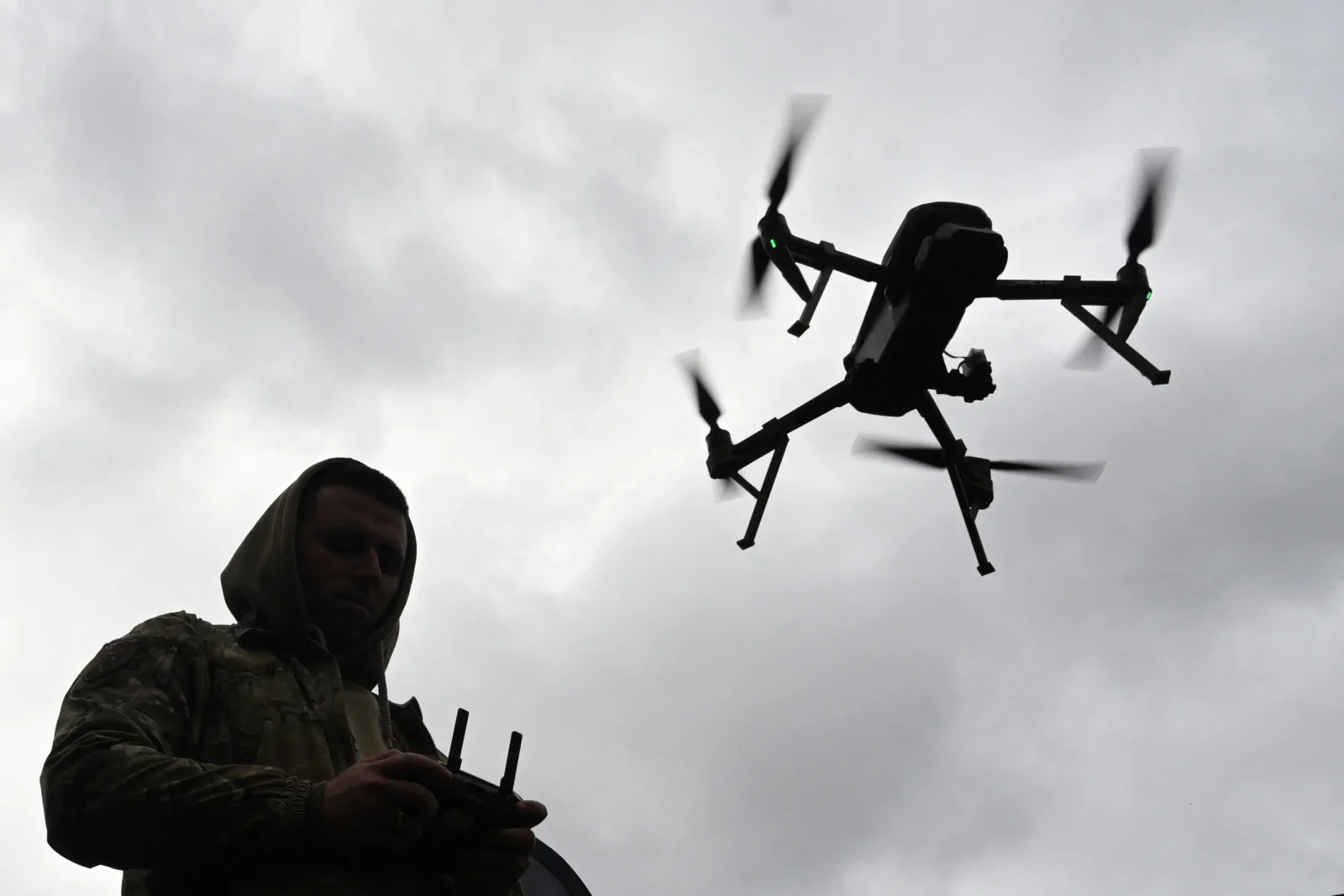
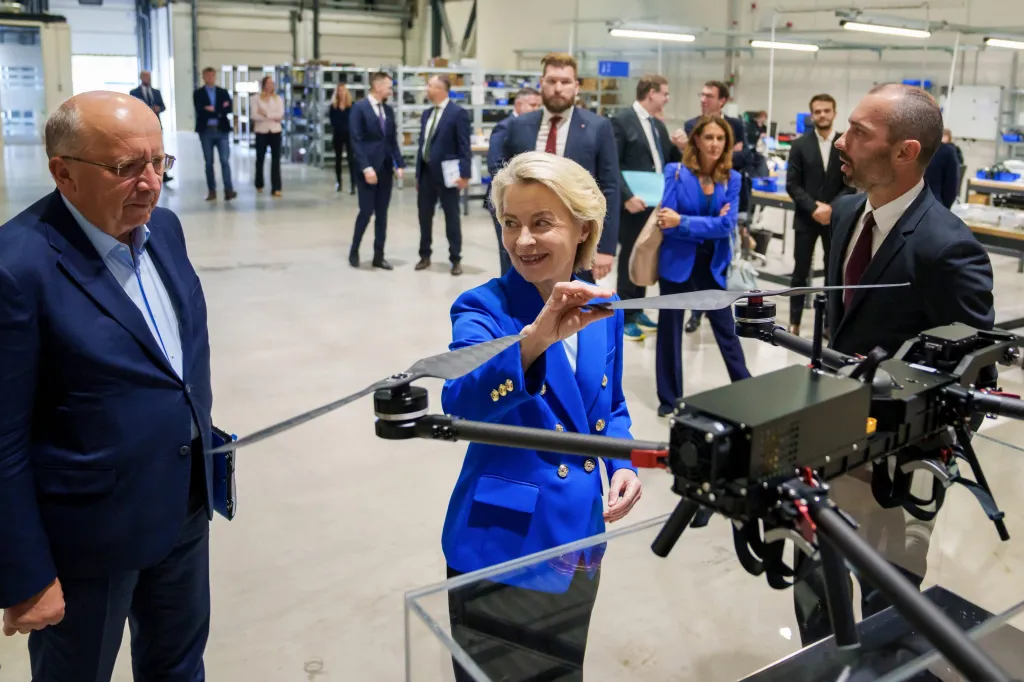
European Commission President Ursula von der Leyen has been touring facilities to make the case in person. During a recent visit to Origin Robotics, a Latvian manufacturer of the Blaze anti drone interceptor now ordered by militaries across the Baltic and Nordic region as well as Poland and Belgium, she pointed to roughly 4.5 million euros in European Defence Fund support behind the company and described Latvia as being on its way to becoming a genuine drone and counter drone power. Andrius Kubilius, the European commissioner for defence and space, has been pressing a related argument in Brussels, that defense innovation should be treated as an engine for the wider economy rather than a cost center walled off from it.