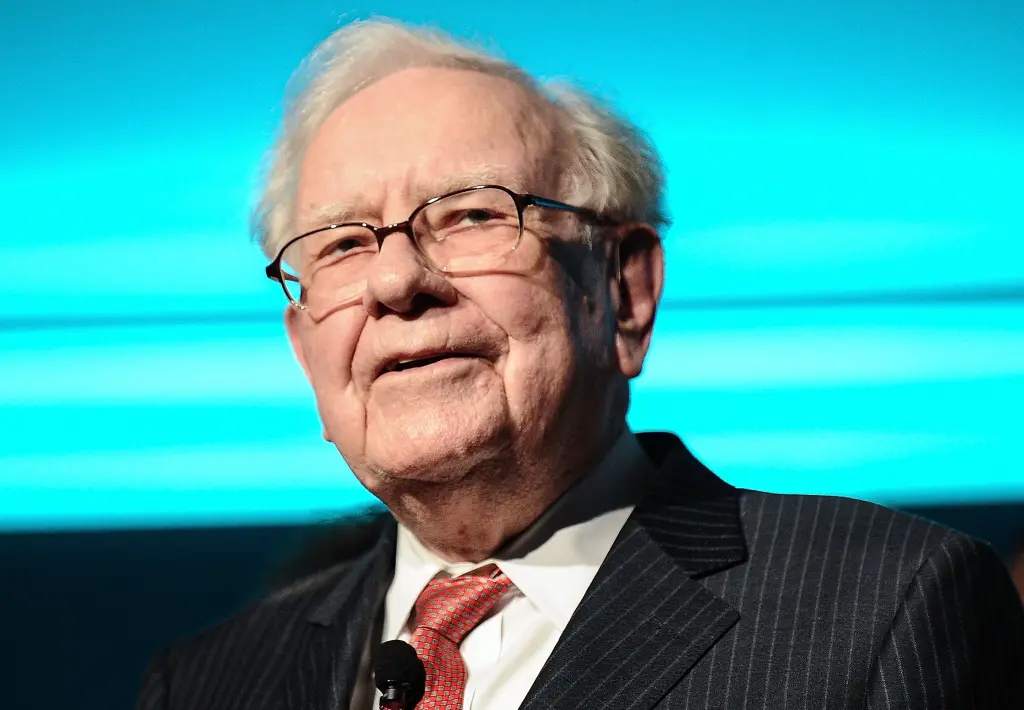
Warren Buffett stepped down as chairman of Berkshire Hathaway on September 18, closing out more than six decades running the company he built into one of the largest conglomerates in the world. His son, Howard Graham Buffett, who has served on Berkshire's board since 1993, took over as chairman immediately. Buffett himself stays on as a director, now carrying the title of chairman emeritus.
One job, deliberately split into two
Rather than hand the entire chairmanship to a single successor, Buffett structured the transition around a clear division of labor. Greg runs the company, Buffett wrote, and Howard will guard its culture and values, both worth more than anything on our balance sheet. Abel had already taken over as chief executive on January 1, leaving Howard with a role focused squarely on preserving what Berkshire stands for rather than managing its day to day operations.
Buffett described his son's role in terms that fit naturally for a company built on insurance underwriting. Think of Howard, he said, as a policy the shareholders own and hope never to claim against, a line that frames the cultural guardianship less as an active job and more as protection the company hopes it never actually needs to use. Susan Decker remains lead independent director, rounding out a board structure built to outlast its founder.
The real test is already underway
Buffett has called the pace of the broader succession a pleasant surprise, saying it exceeded my expectations, which were sky high from the start. The more consequential test, though, is playing out in how Abel is deploying Berkshire's capital. In the first half of 2026, the company spent 39.4 billion dollars on equity purchases, more than five times the 7.1 billion dollars it spent over the same period a year earlier.
Some of that spending pushed Berkshire into territory Buffett himself had long kept his distance from. The company committed 10 billion dollars to Alphabet's artificial intelligence investments, a notable departure for a firm whose founder built his reputation partly on skepticism toward speculative technology bets. Abel also led a 6.8 billion dollar acquisition of homebuilder Taylor Morrison and resumed share buybacks worth 4.5 billion dollars, moves that signal a CEO willing to act with more speed than his predecessor typically allowed himself.
Splitting culture from capital only works if the person guarding the culture is willing to say no to the person spending the money.
Abel has said the culture Buffett built will remain at the heart of Berkshire, and so far the company's board seems inclined to trust him on it. Whether that trust holds will depend less on how closely Abel's rhetoric echoes Buffett's than on whether Howard's role as cultural guardian ever actually gets tested by a deal the old chairman would not have made.