Amazon announced a 230 million dollar investment in higher pay and expanded benefits for more than 100,000 United States Whole Foods workers, raising average hourly wages above 21 dollars starting September 28. Once benefits are factored in, the company says average total compensation for store workers will climb to roughly 29 dollars an hour.
What is actually changing
Beyond the headline wage number, Amazon says the total value of benefits for full time Whole Foods workers is increasing by more than 75 percent. Pay raises will now be tied automatically to how long an employee has been with the company rather than left to the outcome of individual performance reviews, a structural change in how increases get decided store by store.
New benefits landing at the start of next year
A second wave of changes takes effect January 1, 2027. Healthcare plans will start at 5 dollars a week with 5 dollar copays for primary and behavioral care visits. Roughly 20,000 part time workers who log at least 20 hours a week will gain access to dental, vision and life insurance for the first time. Hourly staff will also get a free Amazon Prime membership, a perk the company values at 139 dollars a year, along with an expanded Career Choice program that prepays tuition for college coursework, skills training and certifications, a benefit more than 300,000 Amazon employees company wide have used since it launched in 2012.
Training butchers, fishmongers and cheesemongers
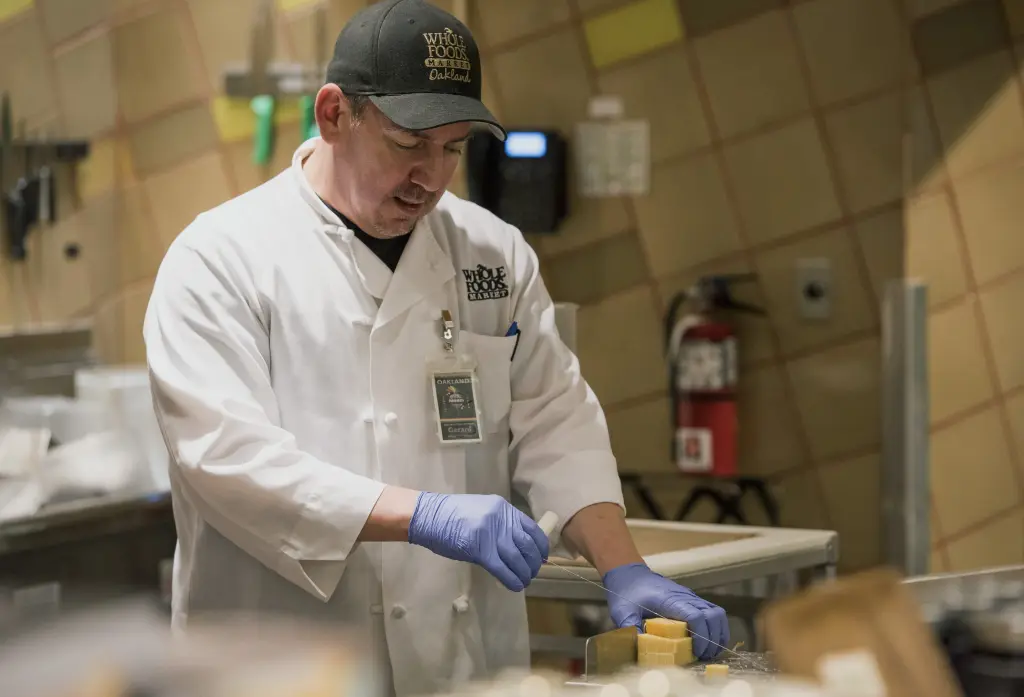
Whole Foods has also been building out its own artisan apprenticeship programs, with more than 2,150 employees completing one since the effort launched in 2023 and roughly 300 staffers joining upskilling programs every quarter. The apprenticeships range from a 12 to 13 week course in pizza making to a six to 12 month program in meat butchering, alongside specialty tracks in fishmongering and cheesemongering.
Jason Buechel, vice president of Amazon Worldwide Grocery, has framed the investment as the product of ongoing conversations with store employees. Those conversations matter deeply to me, he said, and I leave each visit with a list of ways we can make things better. Whole Foods chief merchandising and marketing officer Sonya Gafsi Oblisk has also been involved in shaping the package.
The timing is not incidental
The announcement arrives against a specific backdrop. A Whole Foods store in Philadelphia's Center City became the chain's first, and so far only, unionized location after workers voted last year to join a local chapter of the United Food and Commercial Workers union. In June, the National Labor Relations Board rejected Amazon's challenge to that election, clearing the way for the Philadelphia local to begin negotiating its first contract. This pay and benefits package lands roughly ten months after that vote, and labor observers have read it as at least partly a response to a bargaining calculus that shifted the moment one store showed what organizing could accomplish.
Raising pay for everyone is one way a company answers the question a single unionized store just asked out loud.
Amazon acquired Whole Foods in 2017, and grocery has remained one of the more labor intensive corners of its business ever since. Whether this investment slows further organizing at other locations, or simply raises the floor while the Philadelphia local pushes toward its first contract, is likely to become clearer over the coming year.