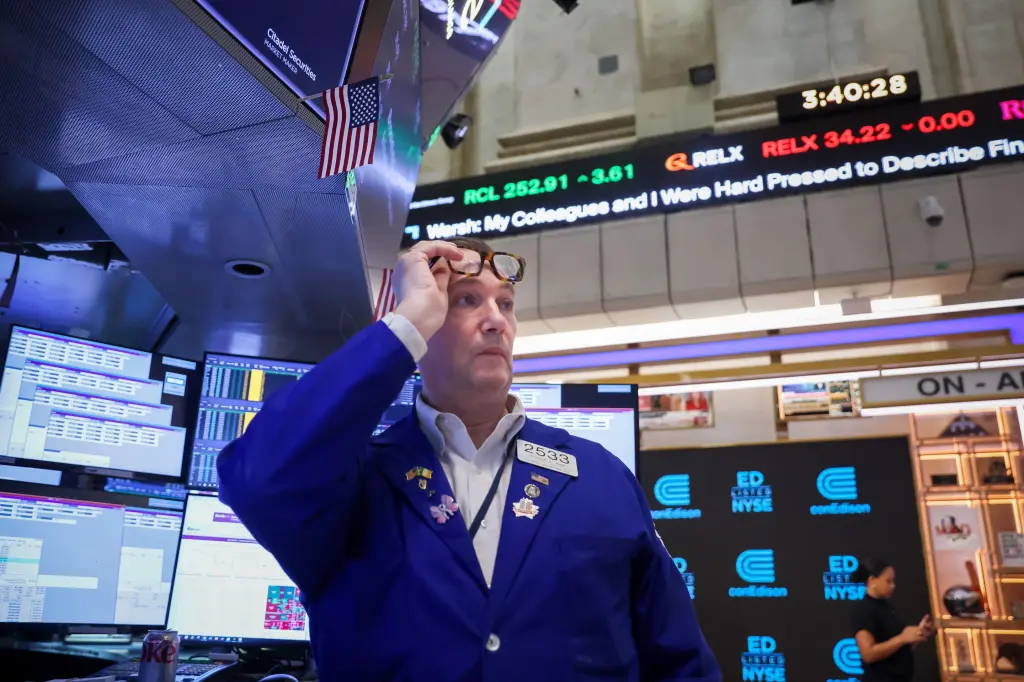
The Treasury surprised bond traders on August 19 when it announced it would at least double the pace of its buybacks of longer dated government debt, lifting the amount purchased per operation from 2 billion dollars to 4 billion. The accelerated buying, running from September 9 through November 4, targets the 10 to 20 year and 20 to 30 year stretch of the curve, the exact section that had been gripped by what traders were calling a buyers strike since late June.
A twist with a familiar name
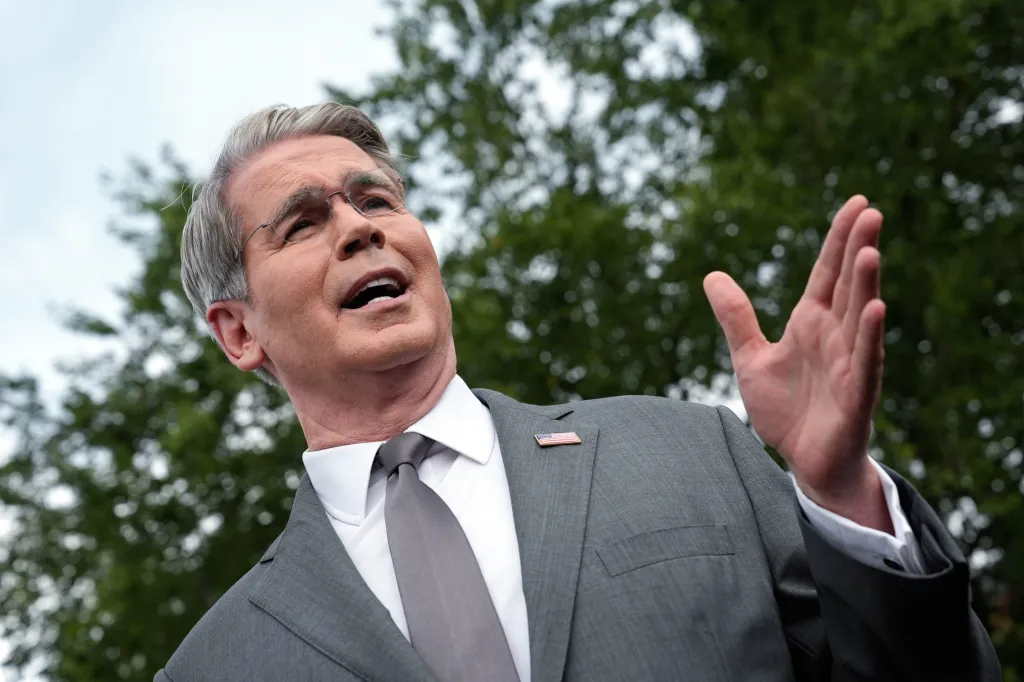
Treasury Secretary Scott Bessent labelled the move a Treasury Twist, an echo of the original Operation Twist experiments in which long term bonds are purchased while the government funds itself with shorter term issuance, flattening the yield curve without expanding a central bank balance sheet. The initial market reaction was sharp. The ten year yield fell about 6 basis points to roughly 4.65 percent, the thirty year dropped some 9 basis points to just under 5.2 percent, and stock futures jumped on the news.
A bigger check may be coming
Bessent has since signalled he is willing to go well beyond the initial 4 billion dollar figure, and reporting suggests officials have discussed tapping close to 1 trillion dollars sitting in the Treasury General Account to help fund larger purchases. Even so, commentary in the days after the announcement noted that the intervention had not yet meaningfully bent the underlying trajectory of yields, leaving the department searching for additional levers.
Economists have watched this movie before
A pointed critique came from Steve Hanke and John Greenwood, monetary economists at Johns Hopkins, who argue that Operation Twist style interventions only succeed when the growth of the broader money supply cooperates. Their reading of the historical record is unforgiving. The original American attempt between 1961 and 1965 failed once M3 money growth accelerated from about 3 percent to 10 percent, feeding inflation expectations that forced yields higher regardless of the Federal Reserve's buying. The 2011 version worked, but only as a minor piece of a much larger quantitative easing program that lifted M2 growth from roughly 4 percent to 10 percent. Japan's yield curve control, run from 2013 to 2024, never delivered the intended lift to activity because its money growth stayed under 3 percent a year throughout.
Why 2026 could echo 1961 more than 2011
The detail that worries Hanke and Greenwood is that broad money growth in the United States has climbed toward near double digit rates in early 2026, a pace closer to the failed 1960s episode than the successful one from the last decade. Under their framework, the deciding factor was never how many billions the Treasury commits to buying bonds. It is what the Federal Reserve allows the money supply to do at the same time, which makes a buyback announcement more a matter of managing sentiment in the short run than a durable fix to what has been pushing yields higher.
The size of the check the Treasury writes matters far less than the size of the money supply the Federal Reserve lets loose behind it.
For now, the buyback has bought the administration a rally, and yields genuinely did fall on the news. The warning circulating among monetary economists is that the rally's staying power depends on a variable Bessent does not control. Unless the pace of money growth slows, the pattern from 1961 rather than 2011 is what the historical record points to, a bond market calm that fades once the underlying monetary current reasserts itself.