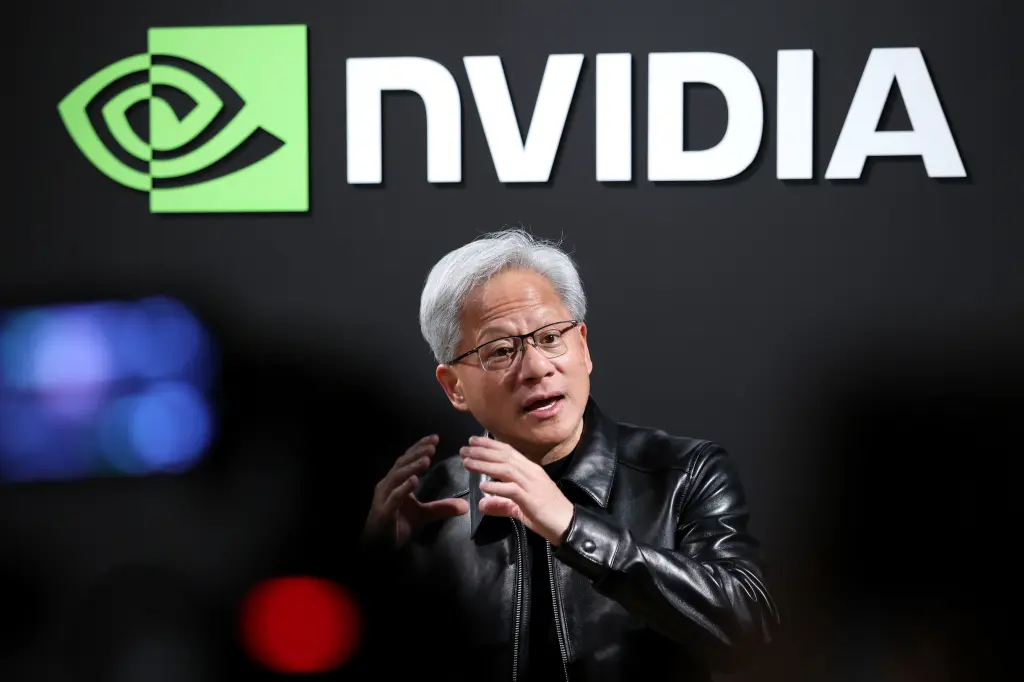
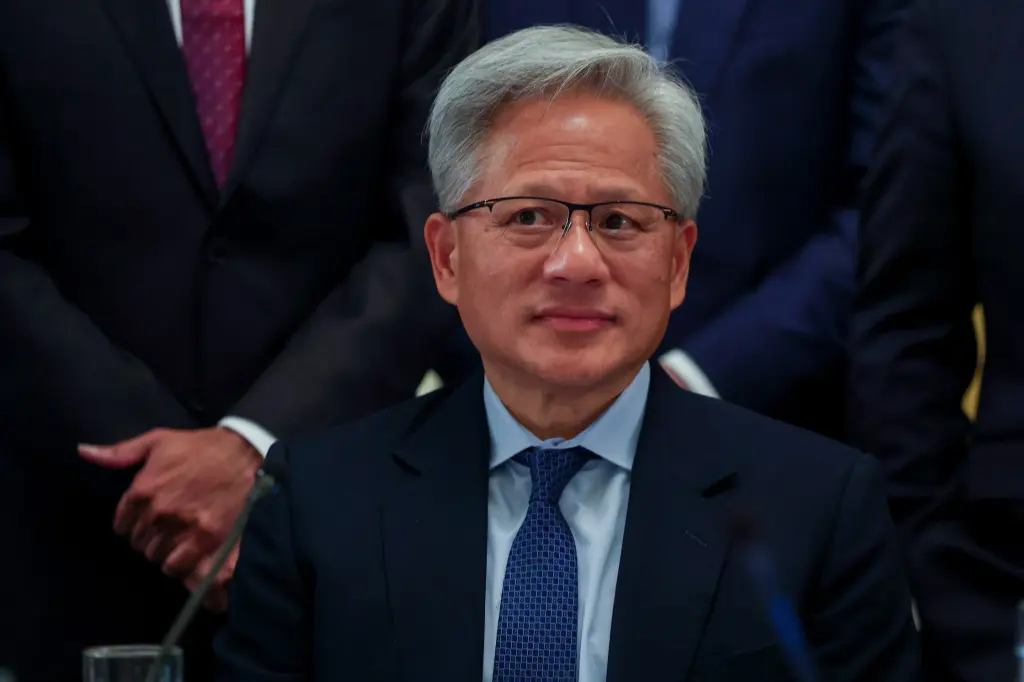
Nvidia has agreed to buy Hugging Face for 12.93 billion dollars, a deal split between roughly 11.9 billion dollars for investors and up to 1 billion dollars set aside for employee retention. It ranks as the chipmaker's second largest acquisition ever, trailing only its roughly 20 billion dollar purchase of AI chip startup Groq late last year. The size of the check signals that chief executive Jensen Huang is looking well past silicon toward controlling the software layer where AI models actually get built, shared and deployed.
A decade old platform with an outsized footprint
Hugging Face was founded in New York in 2016 by Clement Delangue, Julien Chaumond and Thomas Wolf and has since become one of the default gathering points for the AI development community. The platform now serves roughly 18 million developers and researchers, hosts about 3 million models, 500,000 datasets and 1 million applications, and counts more than 200,000 companies among the businesses building on top of it.
A steep price for a small business
Hugging Face's own revenue is comparatively modest, running at roughly 150 million dollars a year, which puts Nvidia's purchase price at close to 86 times revenue. A multiple that high only makes sense if Nvidia is paying for influence and community position rather than near term profit. According to CNBC, Hugging Face's own leadership approached Huang about a deal weeks before it came together, suggesting the platform's founders wanted Nvidia's backing just as much as Nvidia wanted the asset.
Staying neutral, on purpose
Huang has been explicit that Nvidia compute will not be required to build on or deploy through Hugging Face once the deal closes, and reporting indicates the platform will keep working with AMD and other hardware makers rather than becoming a showcase for Nvidia chips alone. That promise matters because Hugging Face's usefulness depends heavily on being seen as neutral ground rather than a marketing arm for whichever company owns it, and Nvidia appears to understand that undermining that neutrality would destroy much of what it just paid for.
Betting on open models
The timing lines up with a broader shift in the industry, as open source AI models increasingly compete with the proprietary systems built by labs like OpenAI and Anthropic. Owning the platform where much of that open development happens gives Nvidia a foothold across the entire AI ecosystem rather than just the chips sitting underneath it. Nvidia's chief financial officer, Colette Kress, has said the company has already invested close to 50 billion dollars in AI labs building frontier models, a reminder that the Hugging Face purchase is one piece of a considerably larger strategy to hold a stake at every layer of the AI stack.
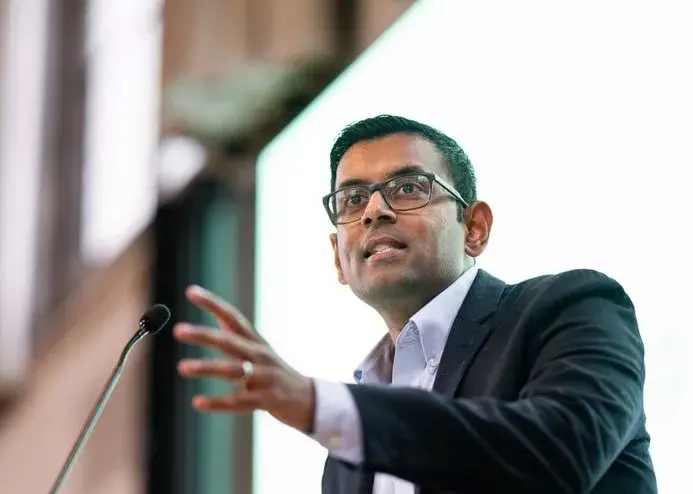
Dan Ives, a partner and senior managing director at Yorkville Ives, argued the price makes more sense once scarcity is factored into the equation. Valuation is important, he said, but there is a scarcity in an asset like Hugging Face, the kind of trusted, central hub that would be extraordinarily difficult for a rival to recreate from scratch even with a comparable budget.
Paying 86 times revenue only makes sense if what is being bought is not a business but a piece of infrastructure everyone else already depends on.
The transaction is expected to close during the first half of 2027, pending regulatory approval. Coming so soon after the Groq purchase, it underlines a pattern of Nvidia reaching well beyond its traditional hardware business to lock in strategic footholds across the parts of the AI industry that its chips alone cannot control.