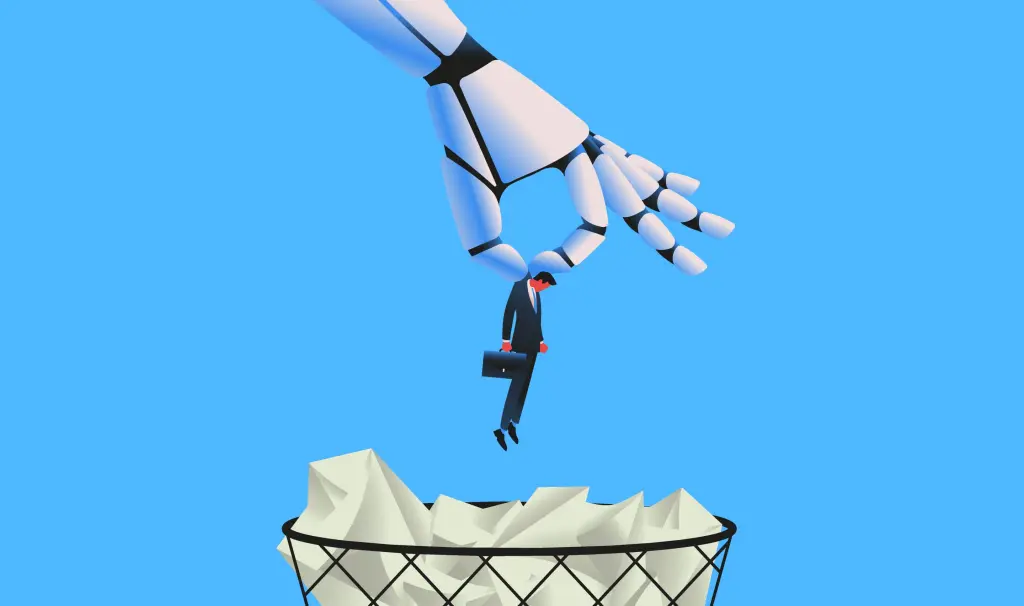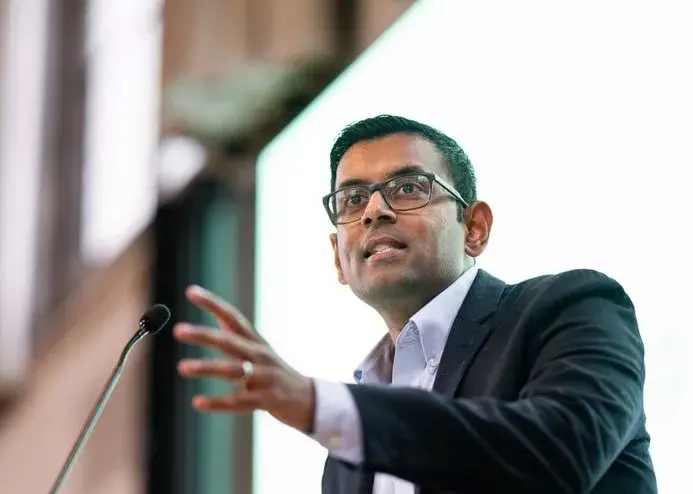
Arvind Narayanan has spent years warning the public about overhyped artificial intelligence as co-author of the book AI Snake Oil and director of Princeton's Center for Information Technology Policy. In a recent keynote titled AI and Journalism: Skating Where the Puck is Going, delivered at the Computation and Journalism Symposium at Northwestern, he argued that chatbots are on track to become what he calls truth oracles for factual questions within a decade, a prospect he says should reshape how newsrooms think about their own purpose.
People already trust them more than you would think
A Pew survey found that 10 percent of Americans already treat AI chatbots as a source of settled fact, and Narayanan has pointed to conservative users on the platform X reportedly resolving arguments by consulting Grok. His broader point is that today's chatbots have moved beyond pure language generation into what he calls neurosymbolic systems, combining language models with live web search, document retrieval and data analysis tools, which is why embarrassing errors that were common even a year ago, like miscounting letters in a word or suggesting bizarre food combinations, are gradually getting solved.
The newsroom was never inevitable
Narayanan's central argument concerns what he calls the unbundling of journalism. The modern newsroom, which bundles reporting, analysis, fact checking and distribution into a single organization, is a historical accident rather than a natural law, and specialists are already doing individual pieces of that bundle more cheaply and effectively on their own. He points to trade focused reporting moving toward outlets like Politico and Punchbowl News, local journalism shifting toward philanthropic funding, and investigative work increasingly running on nonprofit money. He quotes technologist Clay Shirky's well known line that society doesn't need newspapers, what we need is journalism.
What is left for people to do
As AI increasingly settles straightforward factual questions, Narayanan argues newsrooms need to concentrate on the work a machine genuinely cannot settle, contested questions, narrative and storytelling. He also pushes journalism to confront its own claimed objectivity, arguing reporters should be explicit about their own positionality rather than pretending a neutral vantage point exists.